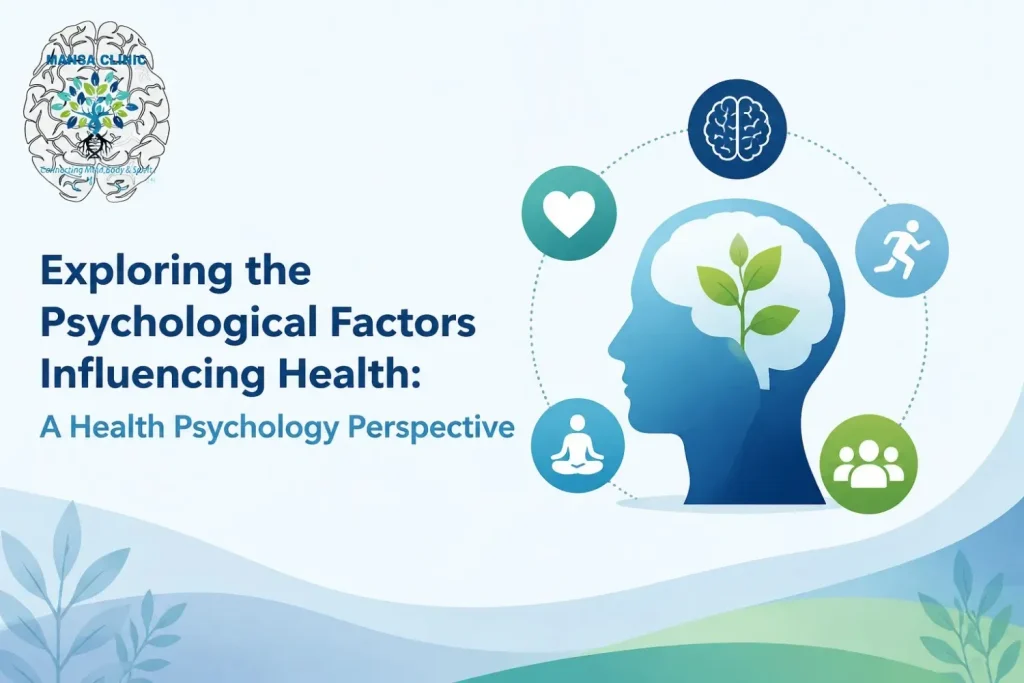
Health is no longer understood as simply the absence of disease. The psychological factors influencing health stress, emotions, beliefs, coping styles, and social relationships play a decisive role in how our bodies function, heal, and resist illness. This growing field, known as health psychology, shows us that the mind and body are deeply interconnected, and that mental wellbeing is just as important as physical fitness. If you are struggling with stress, anxiety, or unexplained physical symptoms, consulting an experienced Psychiatrist in Pune can help you understand the root cause and find lasting relief. In this blog, we explore the key psychological factors that shape our health and why addressing them early matters.
What Is Health Psychology?
Health psychology is the branch of psychology that studies how biological, social, and psychological factors influence health, illness, and healthcare. It looks beyond symptoms to understand why people develop certain conditions, how they respond to treatment, and what keeps them healthy in the long run. Rather than treating the mind and body as separate systems, health psychology views them as constantly interacting your thoughts and emotions can directly affect your immune system, heart health, digestion, and even how quickly wounds heal.
Key Psychological Factors That Influence Health
1. Chronic Stress and the Body
Stress is one of the most well-documented psychological factors affecting physical health. When stress becomes chronic, the body remains in a prolonged state of alertness, releasing cortisol and adrenaline continuously. Over time, this can lead to high blood pressure, weakened immunity, digestive issues, sleep disturbances, and increased risk of heart disease. Many people don’t realise that persistent headaches, fatigue, or stomach problems may actually be stress-related rather than purely physical.
2. Emotional Regulation
How we process and express emotions has a direct impact on our health. Suppressed anger, unresolved grief, or ongoing sadness can manifest as physical tension, fatigue, or even chronic pain. People who struggle to regulate emotions are also more prone to unhealthy coping mechanisms such as overeating, smoking, or substance use.
3. Beliefs and Attitudes Toward Illness
A person’s mindset toward their own health significantly affects recovery outcomes. Patients who believe they can influence their recovery (a sense of self-efficacy) often show better adherence to treatment and faster healing. On the other hand, feelings of helplessness or hopelessness can slow recovery and worsen prognosis, even in physical illnesses.
4. Social Support and Relationships
Strong social connections act as a buffer against stress and illness. People with supportive relationships tend to have lower blood pressure, better immune function, and improved mental resilience. Conversely, loneliness and social isolation are linked to higher risks of depression, cardiovascular disease, and even premature mortality.
5. Coping Styles
The way individuals cope with adversity whether through problem-solving, avoidance, or denial shapes both mental and physical outcomes. Healthy coping strategies like mindfulness, exercise, and open communication protect against burnout, while avoidant coping tends to prolong psychological distress and its physical consequences.
6. Personality Traits
Certain personality patterns, such as chronic hostility, perfectionism, or excessive worry, have been linked to specific health risks, including cardiovascular disease and gastrointestinal disorders. Understanding one’s own personality tendencies can be the first step toward healthier behavioural patterns.
7. Lifestyle Behaviours Rooted in Psychology
Diet, exercise, sleep, and substance use are all behavioural choices strongly influenced by psychological state. Anxiety and depression, for instance, frequently disrupt sleep and appetite, creating a cycle that further affects mental and physical health.
Why the Mind-Body Connection Matters
The psychosomatic link between mental and physical health means that ignoring emotional wellbeing can worsen or even trigger physical illness. Conditions such as irritable bowel syndrome, tension headaches, hypertension, and autoimmune flare-ups are often aggravated by unmanaged psychological stress. Recognising these connections early allows for more holistic, effective treatment rather than addressing symptoms in isolation.
When Should You Seek Professional Help?
If you notice persistent physical symptoms with no clear medical cause, prolonged low mood, difficulty managing stress, or a pattern of unhealthy coping behaviours, it may be time to consult a mental health professional. Early intervention not only improves mental wellbeing but also reduces the long-term burden on physical health.
Conclusion
Understanding the psychological factors influencing health empowers individuals to take a more complete, proactive approach to their wellbeing one that treats the mind and body together rather than in isolation. At Mansa Clinic, patients receive exactly this kind of integrated care. Led by Dr. Ninad Baste (MBBS, MD – Psychological Medicine), whose specialist interests include sexual medicine, marital counselling, neurocognitive medicine, and personal counselling, and Dr. Vidya Ganapathy (MBBS, DPM, MD – Psychological Medicine), a NIMHANS-trained child and adolescent psychiatrist, Mansa Clinic offers psychiatrist-led, multidisciplinary care for stress, anxiety, depression, and stress-related physical conditions. As a trusted Psychiatrist in Pune, Mansa Clinic combines clinical expertise with genuine, judgment-free support for every patient.
Don’t let stress and unresolved emotions silently affect your health. Book a consultation with Mansa Clinic today and take the first step toward complete mind-body wellness. Contact us today.
Frequently Asked Questions (FAQs)
Q1. What are the main psychological factors that influence physical health?
The main factors include chronic stress, emotional regulation, personal beliefs about illness, social support, coping styles, personality traits, and lifestyle behaviours shaped by mental state.
Q2. Can stress really cause physical illness?
Yes. Chronic stress triggers hormonal changes that can weaken immunity, raise blood pressure, disrupt digestion, and increase the risk of heart disease over time.
Q3. How do I know if my physical symptoms are linked to psychological causes?
If medical tests don’t explain your symptoms, or if they worsen during stressful periods and improve when you feel calmer, a psychological link is likely. A psychiatrist can help evaluate this properly.
Q4. Is it necessary to see a psychiatrist for stress-related physical symptoms?
Yes, especially if symptoms are persistent or affecting your daily life. A psychiatrist can identify underlying psychological causes and recommend appropriate treatment, including therapy or medication if needed.
Q5. Does Mansa Clinic treat both mental and stress-related physical health concerns?
Yes. Mansa Clinic offers psychiatrist-led, multidisciplinary care covering adult psychiatry, counselling, de-addiction, OCD treatment, and child and adolescent psychiatry, addressing the full mind-body spectrum of health.

Dr. Ninad Baste
DR. NINAD BAST, MBBS MD [Psychological Medicine]
Affiliations: Maharashtra Medical Council [registration no.: 2003/03/1356], Pune Psychiatry Association, Indian Psychiatry Society, Bombay Psychiatry Society.
A desire to understand patients' needs in their illness phase and help them through it led Dr. Ninad to specialize in psychiatry after completing his MBBS. He earned his MD in psychological medicine from Mumbai's prestigious Seth GS Medical College. His special areas of interest are neurocognitive medicine, sexual medicine, marital counseling, and personal counseling.
He held the post of president of the Indian Psychological Society [IPS-Pune Chapter] for the year 2017–2018. Dr. Ninad was also a postgraduate guide and an associate professor at Smt. Kashibai Navale Medical College and a general hospital. He has worked on the editorial board of the Annals of Indian Psychiatry, which is the official journal of the IPS-West zone.
He has been a faculty member for various conferences and a member of the organizing committees of some conferences held in Pune.