Parenting is never straightforward. There are days when a child’s moodiness, tantrums, or school struggles feel perfectly normal and then there are days when something feels genuinely off, and you are not quite sure what to do about it. If you have found yourself searching for a Child Psychiatrist in Pune lately, you are probably already asking the right questions. The fact that you are looking means you noticed something. And noticing is where good parenting and good care begins.
This blog is for every parent who has wondered whether their child’s behaviour is “just a phase” or something that deserves a professional eye. We will walk you through the real warning signs, the conditions that respond best to early help, and how to find the right specialist without feeling overwhelmed.
Why Child Mental Health Is No Longer a Topic to Avoid
Not long ago, most Indian families would not dream of taking a child to a psychiatrist. The word itself felt heavy associated with serious illness, stigma, and judgment. But the conversation has shifted. Slowly, steadily, parents across cities like Pune are beginning to understand that a child’s mental health is as important as their physical health.
The numbers tell a clear story. According to UNICEF India (2021), fewer than 3% of children who need mental health support actually receive it. The WHO estimates that 50% of all adult mental health conditions have their roots before the age of 14. That means the window between noticing a problem and doing something about it is not just important it is one of the most consequential decisions a parent can make.
Early support changes outcomes. Children who receive proper assessment and care during their developmental years are far more likely to manage emotional and behavioural challenges successfully as adults. Waiting, on the other hand, rarely makes things better. It usually makes them harder.
What Does a Child Psychiatrist Actually Do?
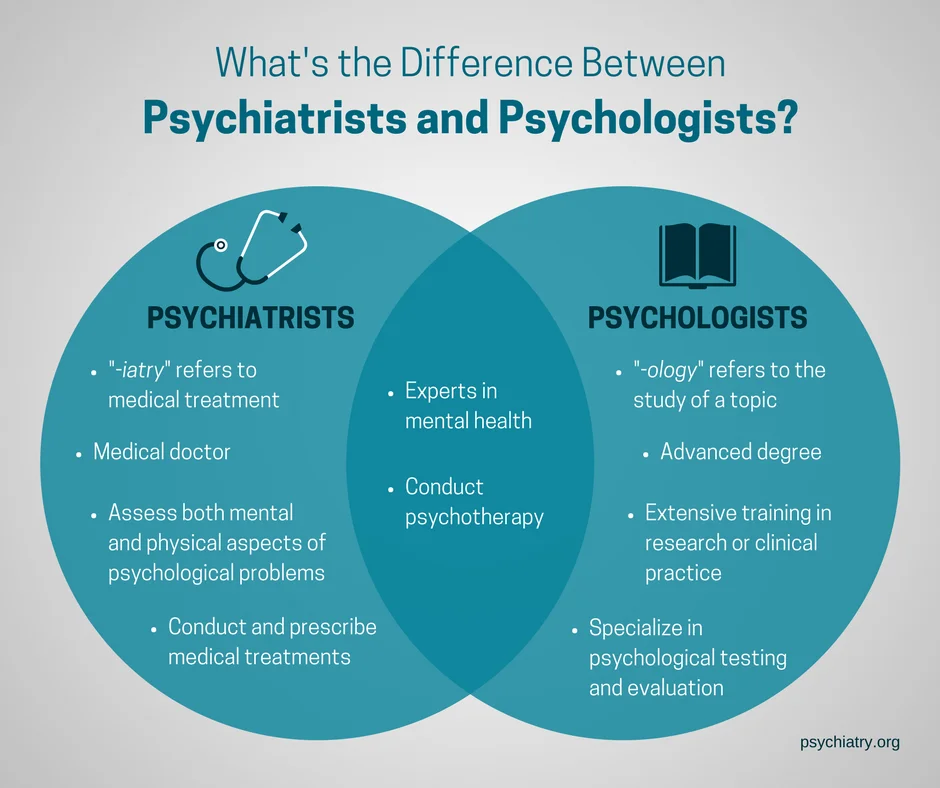
Before we get into warning signs, it is worth clearing up a common misunderstanding. A child psychiatrist is a medical doctor typically with an MD in Psychological Medicine who specialises in diagnosing and treating emotional, behavioural, and developmental conditions in children and adolescents. They are qualified to conduct clinical assessments, recommend therapy approaches, coordinate with schools, and, when necessary, prescribe medication.
A child psychiatrist does not simply sit across from your child and ask them how they feel. The approach is far more nuanced than that. It involves structured assessments, age-appropriate activities, time spent with parents to understand the full picture, and often coordination with teachers or specialists in other fields.
At Mansa Clinic’s Child & Adolescent Psychiatry Services, children are assessed from as young as 18 months. The first appointment is designed to be calm and child-friendly nothing clinical or intimidating. The goal is understanding, not alarming anyone.
Warning Signs: When Should You Seek Help?
This is the question most parents ask first, and it is the right one. Not every difficult behaviour means something is wrong. But certain patterns, especially when they persist over time or intensify with age, do deserve a proper evaluation.
1. Significant Changes in School Performance
One of the earliest signs that something may be affecting your child’s mental health is a noticeable drop in academic performance especially when there is no obvious external reason for it. If your child was doing reasonably well and suddenly cannot concentrate, does not complete work, or has started getting persistent complaints from teachers, something more than laziness is likely at play.
Conditions like ADHD (Attention Deficit Hyperactivity Disorder) are routinely misread as carelessness or defiance in Indian school settings. Children are labelled “naughty” or “inattentive” when the underlying reason is neurological their brain genuinely processes attention and impulse differently. A proper assessment can distinguish between academic struggle, ADHD, anxiety, and learning difficulties that look similar on the surface.
2. School Refusal or Physical Complaints Before School
If your child regularly refuses to go to school, cries at the school gate, or complains of stomach aches and headaches specifically on school mornings, this is not always about avoiding responsibility. It is frequently anxiety clinical anxiety, not simply nervousness.
This pattern is more common than most parents realise, and it responds well to therapeutic intervention when caught early. Left unaddressed, school refusal can escalate into significant attendance problems and social withdrawal by secondary school age.
3. Extreme or Prolonged Tantrums Beyond the Expected Age
Tantrums in toddlers are normal. Explosive outbursts in a nine-year-old, or rage episodes that seem completely disproportionate to the trigger, are a different matter. When a child cannot self-regulate cannot calm down after a reasonable amount of time, hurts themselves or others, or destroys property during episodes this suggests the nervous system needs support, not just firmer discipline.
Oppositional Defiant Disorder (ODD) and conduct-related conditions are real, assessable, and treatable. Addressing them early prevents far more serious patterns from establishing themselves in adolescence.
4. Social Withdrawal and Loss of Interest in Activities
When a child who used to love football, painting, or spending time with friends suddenly stops engaging entirely and this lasts for weeks, not days it is worth taking seriously. Depression in children and teenagers does not always look like sadness. It often shows up as irritability, social withdrawal, and a flat loss of enthusiasm for things they used to enjoy.
In Pune’s competitive academic environment, teenage low moods are frequently dismissed as “exam pressure” or “teenage attitude.” Some of it is. But some of it is depression and that distinction matters enormously.
5. Developmental Delays or Communication Concerns
If your toddler or young child is not meeting developmental milestones not making eye contact consistently, not responding to their name, not using words at the expected age, or engaging in repetitive behaviours early assessment is critical.
Autism Spectrum Disorder (ASD) is most effectively addressed when intervention begins early, ideally before age five. Mansa Clinic offers the Comdeall Early Intervention Programme, one of the few certified Comdeall centres in Maharashtra, specifically designed to support children with autism and developmental delays through evidence-based methods.
6. Excessive Fear, Worry, or Specific Phobias
All children go through phases of fear of the dark, of dogs, of being alone. But when a fear is so intense that it disrupts daily life, when a child cannot separate from a parent to attend school or social events, or when worry is constant and pervasive, this crosses the threshold of clinical anxiety.
Anxiety disorders in children respond very well to age-appropriate Cognitive Behavioural Therapy (CBT) and parent coaching but the support needs to be properly calibrated for a child’s developmental stage, not simply an adult therapy programme adapted on the fly.
7. Sleep Problems, Eating Changes, or Physical Symptoms Without a Medical Cause
The mind and body are deeply connected in children, perhaps more visibly than in adults. Persistent difficulty sleeping, nightmares, sudden loss of appetite, or unexplained physical complaints that doctors cannot attribute to a medical cause are frequently psychological in origin.
If your GP has ruled out physical reasons for these symptoms and they are persisting, a mental health assessment is a sensible next step not an overreaction.
How Pune’s Academic Pressure Adds a Layer of Risk
Pune is an education-driven city. From primary school onwards, many children here are navigating competitive environments tuition classes, entrance exam preparation, performance pressure from families on top of everything else childhood involves.
This is not a criticism of Pune’s educational culture. It is simply a fact that needs to be factored in. When a child is under sustained academic pressure without adequate emotional support, the risk of anxiety, burnout, and mood difficulties rises. Recognising this context matters when you are assessing whether your child’s behaviour is situational or needs professional attention.
A good child psychiatrist or psychological counselling service will always assess the full picture home environment, school demands, peer relationships, and family dynamics — before drawing any conclusions.
What to Expect When You First Seek Help
Many parents hesitate because they are not sure what a first appointment involves. The process is far less intimidating than most people imagine.
At a clinic like Mansa Clinic, the first appointment typically starts with the parents gathering a developmental history, understanding the family context, and listening to what you have noticed over time. There is then time with the child, using play, drawing, or conversation appropriate to their age. The session closes with the psychiatrist sharing initial impressions and a clear plan for next steps.
Nothing is rushed. Nothing is labelled prematurely. A first assessment is exactly that a professional, unhurried look at what is going on. You can also meet the full multidisciplinary team here to understand who your child may be working with.
Busting the Myths Around Child Psychiatry
“My child doesn’t need a psychiatrist they just need discipline.”
Discipline is important. It is also separate from mental health. A child with ADHD or anxiety is not misbehaving on purpose their nervous system works differently. Discipline applied without understanding the underlying condition usually makes things worse, not better.
“Going to a psychiatrist means my child is seriously ill.”
Psychiatrists assess the full spectrum from everyday stress and adjustment difficulties to more complex conditions. Many children are seen for a single assessment that clarifies a concern, nothing more.
“Other children will find out and judge them.”
Clinics designed for children take privacy seriously. Your child’s care is completely confidential. Many of their classmates are probably seeing someone too they just are not talking about it.
“It is our fault as parents.”
Conditions like ADHD, autism, and anxiety have neurological and genetic components. Parents are part of the solution and at a good clinic, they will be treated that way, as partners in their child’s care, not as the cause of the problem.
Conclusion
If there is one thing that experienced child psychiatrists consistently emphasise, it is this: the earlier you seek help, the better the outcome. Not because early problems are more serious but because young brains are more adaptable. Intervention during developmental years reshapes trajectories in ways that become increasingly difficult as children get older.
Mansa Clinic’s Child & Adolescent Psychiatry programme offers families in Pune a genuinely specialist, compassionate resource not a generic referral to a general psychiatrist who sees adults.
What families gain from Mansa Clinic’s child psychiatry services:
- Accurate diagnosis from a specialist — so you stop second-guessing and start understanding what is actually happening
- Evidence-based therapy including play therapy, CBT adapted for children, and parent coaching that makes change happen at home, not just in the clinic
- Comdeall-certified autism intervention, one of very few programmes of this kind available in Maharashtra
- A multidisciplinary team — psychiatrists, counselling psychologists, a special educator, a sensory integration therapist, and an art therapist working together under one roof
- School liaison support — formal reports, accommodation letters, and RTE documentation where applicable
- A calm, child-friendly environment where the first session is built around your child’s comfort, not clinical convenience
The specialist leading child and adolescent care at Mansa Clinic is Dr. Vidya Ganapathy MBBS, DPM, MD (Psychological Medicine). Dr. Vidya holds her DPM from Nair Hospital (Mumbai University) and her MD from USAIM, with specialised child psychiatry training from NIMHANS Bangalore one of India’s most respected neuroscience institutions. She is a certified Comdeall therapist, trained in play therapy, and runs the ‘Smell the Roses, Beat the Thorns’ resilience programme in Pune schools. Parents consistently describe her approach as patient, warm, and able to put even the most reluctant child at ease within minutes of meeting them.
If something about your child’s behaviour or development has been worrying you, trust that instinct. Book an appointment at Mansa Clinic the first step is a conversation, nothing more.
Frequently Asked Questions
Q1. At what age should I take my child to a child psychiatrist?
There is no minimum age. At Mansa Clinic, Dr. Vidya assesses children from 18 months for developmental concerns. For behavioural and emotional difficulties, most families seek an appointment between ages 4 and 14. If something is worrying you at any age, a consultation will at minimum give you clarity.
Q2. How do I know if my child’s behaviour is a “phase” or needs professional help?
Look at the duration, intensity, and impact. A difficult week is a phase. A pattern that has lasted several months, is intensifying rather than easing, and is affecting your child’s daily life — school, friendships, sleep, eating — is worth having assessed. A professional can tell the difference in a single thorough appointment.
Q3. Will my child have to take medication?
Not necessarily, and certainly not without full parental consent and a clear explanation of why it is recommended. Many children at Mansa Clinic are helped entirely through behavioural therapy, play therapy, and parent coaching, with no medication involved. Medication is only considered when clearly indicated by the clinical picture.
Q4. What is ADHD and how is it diagnosed in children?
ADHD is a neurodevelopmental condition affecting a child’s ability to sustain attention, regulate impulses, and manage activity levels. It is not a character flaw or a result of poor parenting. Diagnosis involves a structured clinical assessment, developmental history, school input, and validated rating scales not a simple checklist. Dr. Vidya conducts thorough ADHD assessments and provides schools with formal reports where required.
Q5. Can therapy really help my child, or is it just talking?
Therapy for children is not just talking. Play therapy, art therapy, CBT, and sensory integration all work through a child’s natural way of engaging with the world. At Mansa Clinic, therapy sessions are structured, age-appropriate, and linked to specific goals with parent assignments so progress continues between sessions. The research evidence for these approaches in children is strong.
Q6. How do I book an appointment at Mansa Clinic for my child?
You can call directly on +91 91759 51157, use the WhatsApp link on the website, or fill in the contact form at Mansa clinic. No referral is required. You can speak to the team first if you are unsure whether an appointment is the right step.

Dr. Ninad Baste
DR. NINAD BAST, MBBS MD [Psychological Medicine]
Affiliations: Maharashtra Medical Council [registration no.: 2003/03/1356], Pune Psychiatry Association, Indian Psychiatry Society, Bombay Psychiatry Society.
A desire to understand patients' needs in their illness phase and help them through it led Dr. Ninad to specialize in psychiatry after completing his MBBS. He earned his MD in psychological medicine from Mumbai's prestigious Seth GS Medical College. His special areas of interest are neurocognitive medicine, sexual medicine, marital counseling, and personal counseling.
He held the post of president of the Indian Psychological Society [IPS-Pune Chapter] for the year 2017–2018. Dr. Ninad was also a postgraduate guide and an associate professor at Smt. Kashibai Navale Medical College and a general hospital. He has worked on the editorial board of the Annals of Indian Psychiatry, which is the official journal of the IPS-West zone.
He has been a faculty member for various conferences and a member of the organizing committees of some conferences held in Pune.