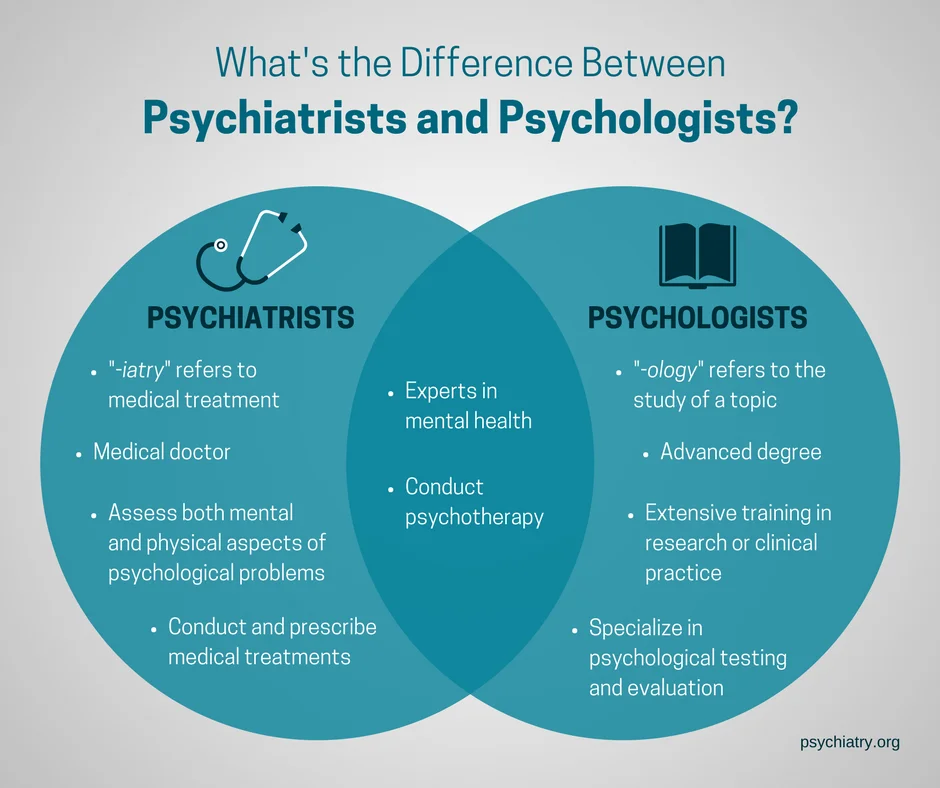
Reviewed by Dr. Ninad Baste MBBS, MD (Psychological Medicine)
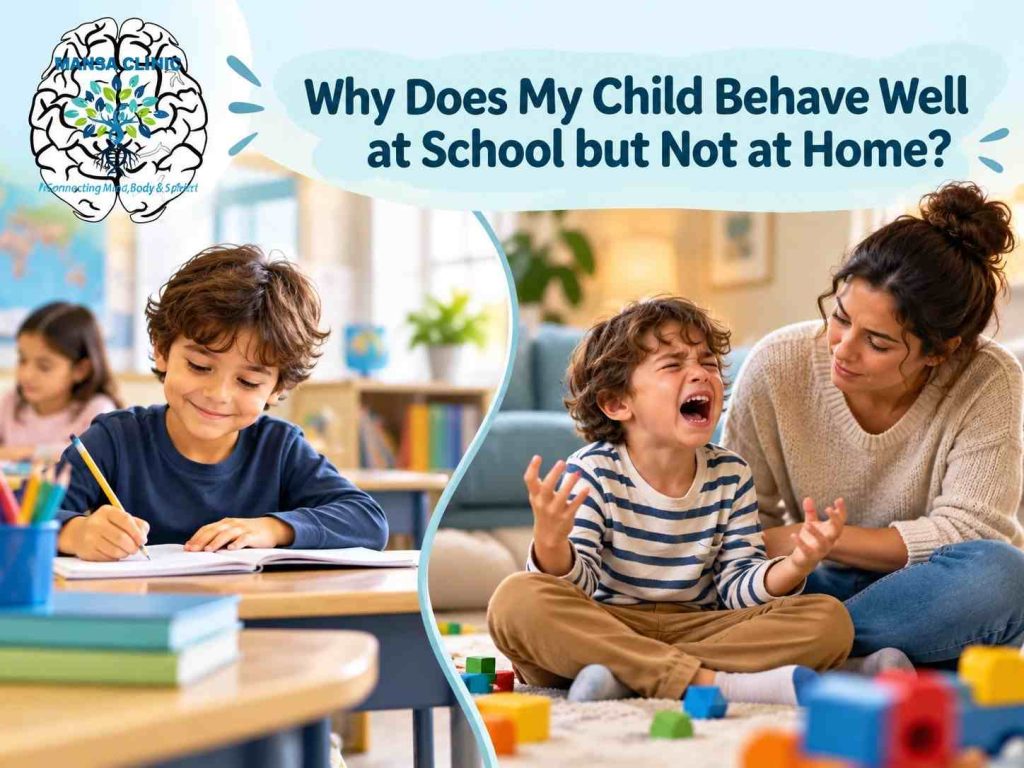
Your daughter’s teacher calls her a joy to have in class. By 6 pm she’s screaming over homework and slamming her bedroom door. If that sounds like your house, you aren’t imagining it and you aren’t failing as a parent. Many families live this exact pattern, and some start looking up child behaviour counselling in Pune only after months of wondering what they’re doing wrong. The short answer is that a child who holds it together at school and falls apart at home is usually showing stress, not a bad character.
Is It Normal for a Child to Behave Differently at School and at Home?
Yes, it’s very common. Children behave differently across settings because each setting asks something different of them. At school, a teacher sets clear limits, other children are watching and a timetable tells everyone what comes next. At home the structure loosens and the audience shrinks to the people the child trusts most.
Think of school as a long shift. Your child spends six or seven hours following rules, waiting for turns, sitting still and reading the room. That takes real effort. By the time they reach you, the tank is empty.
The gap between the two versions of your child is rarely about lying or manipulation. Usually it means a child who works hard in one place and lets go in the other.
What Is After-School Restraint Collapse?
Counsellors use the term after-school restraint collapse for the emotional crash that follows a long day of holding things in. A child who stayed polite and quiet all day walks in and cries over a broken biscuit, snaps at a sibling or refuses to take off their shoes.
Three things usually sit underneath it:
- Self-control runs out. Staying calm, following instructions and ignoring distractions all draw on the same mental energy.
- The body stays on alert. Noise, crowds and a packed school bus keep the nervous system buzzing long after the last bell.
- Home feels safe. Once the child relaxes, the feelings held back all day come out at once.
A child in this state doesn’t need a lecture. They need a snack, some quiet and a few minutes of nothing.
Why Do Children Feel Safer Misbehaving at Home?
Children show their big emotions where the relationship feels secure. A teacher gets a careful, polite version of your child. You get the real one, because your child trusts that you won’t walk away. It feels unfair and personal, but it’s closer to a compliment than an insult.
Two other things feed the pattern. The first is consequences. A teacher can write in the diary or call in the principal, while at home many parents negotiate or give in after their own tiring day. The second is attention. In class, one adult is shared among thirty children. At home your child has you completely, and for some children even negative attention feels better than none.
How Do Rules and Routines Differ Between School and Home?
School runs on a script: arrival, assembly, lessons, lunch, games, home. A bell marks every change. Home is messier. Homework time shifts, dinner depends on who gets back from work and screens appear and vanish without warning.
Many children need predictability, and they feel a loose structure as stress. They also get mixed signals. One parent says no sweets before dinner, a grandparent hands one over and the child learns that the rule depends on the person.
Here’s a quick test. Could your child say, without thinking, what happens between 4 pm and bedtime? If not, the evening may be too unpredictable to settle into.
Could Hidden Stress or Anxiety Be Behind the Meltdowns?
Sometimes the good behaviour at school is itself the clue. Anxious children often work hard to avoid mistakes, embarrassment or a scolding. They stay quiet, finish their work and never cause trouble. Then the pressure comes out at home.
Watch for these signs alongside the outbursts:
- Physical complaints. Stomach aches or headaches that appear on school mornings.
- Sleep changes. Trouble falling asleep, nightmares or a need to sleep beside you.
- Perfectionism. Tears over a smudged page or a wrong answer.
Peer trouble, exam pressure, a new sibling, a house move or a loss in the family can all drive this kind of stress. Structured child emotional wellness programs help children put names to what they feel before it spills out as shouting or sulking.
Can Tiredness, Hunger and Screens Make It Worse?
Often, yes. Basic needs explain a lot of evening chaos.
- Hunger. Many children barely touch lunch because they’re chatting or rushing to play. By 5 pm their blood sugar and patience have both dropped.
- Sleep debt. The American Academy of Sleep Medicine recommends nine to twelve hours of sleep for children aged six to twelve, a guideline the American Academy of Pediatrics supports. Late nights and early buses eat into that quickly.
- Screens. A tablet handed over right after school feels calming, but switching it off often starts a big fight. The sudden stop causes the trouble more than the screen itself.
A snack, some water and twenty minutes of free time before homework settle a surprising number of after-school battles.
Could It Be Something More Than a Passing Phase?
Most of the time the gap is ordinary and eases with small changes. Sometimes it hides something that needs a closer look.
Some children with attention difficulties, learning differences or autism spectrum traits spend the school day masking. That means copying classmates and holding back natural reactions to fit in. They cope, but it costs them a lot, and the bill arrives at home. A teacher sees a quiet, cooperative child. A parent sees exhaustion, rigid behaviour, sensory complaints or meltdowns.
The catch is that no online checklist can tell you which it is. A trained child specialist can look at your child’s history, school reports and behaviour in the room, then explain what’s going on. The team offering child and adolescent psychiatry at Mansa Clinic does this kind of assessment.
What Can Parents Try at Home Before Seeking Help?
Small, steady changes often shift things within a few weeks. Start here:
- Give a landing period. Let your child eat, drink water and unwind for 20 to 30 minutes before you ask about the day or homework.
- Ask lighter questions. “What made you laugh today?” works better than “How was school?”
- Keep evenings predictable. A simple picture chart covering snack, play, homework, dinner and bath gives anxious children something to lean on.
- Stay calm during the storm. Talk about the behaviour later, once everyone has settled. A child in meltdown can’t absorb a lesson.
- Match the rules across adults. Sit down with your partner and grandparents and agree on three or four non-negotiables.
- Talk to the teacher. Share what you see at home. Teachers spot clues you can’t, like how your child behaves with friends.
Give these two to four weeks of steady effort. If nothing shifts, or things get worse, it’s time to look for outside support.
When Should You Consider Child Behaviour Counselling in Pune?
Think about professional help if you notice any of these:
- Frequency. Tantrums, aggression or shutdowns happen on most days and last longer than usual for the child’s age.
- Intensity. Your child hurts themselves, other people or property.
- Daily life. Sleep, appetite, friendships, schoolwork or family routines are suffering.
- Duration. The pattern has lasted a month or two despite your efforts.
- School feedback. The teacher reports sudden changes in mood, focus or participation.
- Your own strain. You feel worn out, dread the evenings or argue with your partner about parenting.
None of this means your child is broken. It means the usual strategies aren’t enough, and that’s useful information. Child behaviour counselling in Pune works well when families come early, before habits harden and before a child starts to believe they’re simply a “bad kid”. The CDC advises seeking an evaluation when behaviour is unusual for the child’s age or causes problems at home, at school or with friends, as its guidance on behaviour problems in children explains. At Mansa Clinic, psychological services sit alongside psychiatric care, so your child’s needs get looked at from both sides.
What Happens in a Child Behaviour Counselling Session?
Parents often worry that counselling means labelling their child or pushing them through uncomfortable questions. It rarely looks like that.
Younger children usually work through play. Toys, drawing and stories let them show what they can’t yet put into words. Older children and teenagers talk, sometimes with worksheets, role play or art. The process typically runs like this:
- First meeting with parents. The doctor listens to your concerns and asks about development, family life and school.
- Parent guidance. You pick up practical tools for routines, limits and handling meltdowns. Parents are part of the treatment, not bystanders.
- Review. Progress gets checked at regular intervals and the plan changes as your child does.
Many families also share the plan with the class teacher so both settings stay consistent. Results vary from child to child, but a clear explanation and a plan often ease the tension at home early on.
Conclusion: A Well-Behaved School Child Still Needs Support at Home
A child who behaves at school and struggles at home isn’t playing games. Most of the time they’re tired, stretched or carrying a worry they can’t explain. Start with food, sleep, routine and patience. If the pattern keeps returning, child behaviour counselling in Pune can give your family a clear picture and a workable plan.
Here’s what families can expect from the service at Mansa Clinic:
- A clear reason. You learn what drives the behaviour instead of guessing.
- A child-friendly approach. Play-based sessions help younger children express feelings safely.
- Parent coaching. You get practical strategies for routines, limits and communication.
- Early detection. Attention, learning or developmental concerns get spotted sooner.
Dr. Vidya Ganapathy leads child and adolescent care at the clinic. She holds an MBBS, DPM and MD (Psychological Medicine) and has more than 18 years of experience in psychiatry, including time at NIMHANS, Bangalore. Her areas of focus are child and adolescent psychiatry, play therapy and early intervention in autism, and she is a certified autism early-intervention therapist through the COMDEALL Trust. She also runs parenting workshops in schools.
If your evenings feel like a battle, you don’t have to figure it out alone. Book a consultation and talk it through with the team.
This article is for general information and does not replace a medical consultation. If you’re worried about your child’s health or safety, speak to a qualified doctor.
Frequently Asked Questions
Why does my child behave badly only with me?
Children save their big emotions for the people they trust most. You’re the safe person, so your child can drop the effort of holding it together. It’s tiring for you, but it usually reflects a secure bond rather than a lack of respect.
Does good behaviour at school mean my parenting is wrong?
No. School and home have different rules, audiences and demands. Good behaviour at school shows your child can manage themselves. The job now is helping them feel relaxed and supported at home too.
Should I punish my child for meltdowns at home?
Rarely. A child in meltdown isn’t thinking clearly. Stay calm, keep everyone safe and discuss the behaviour later. Set clear consequences for harmful actions and pair them with teaching, not anger.
How do I know if it’s a behaviour problem or something like ADHD or anxiety?
You can’t tell from the outside. Look at how long the pattern has lasted, how intense it is and whether it affects sleep, friendships or schoolwork. A child specialist can assess your child and tell you what’s needed.
How long does child behaviour counselling in Pune take?
It depends on the child, the concern and how steadily the family applies the strategies. Some children improve over a few sessions and others need longer. Your doctor can give a realistic timeline after the first assessment.
Will my child need medication?
Not necessarily. Many behaviour concerns improve with counselling and parent guidance alone. A psychiatrist recommends medication only when an assessment shows a clear medical need, and always after discussing it with you.

Dr. Ninad Baste
DR. NINAD BAST, MBBS MD [Psychological Medicine]
Affiliations: Maharashtra Medical Council [registration no.: 2003/03/1356], Pune Psychiatry Association, Indian Psychiatry Society, Bombay Psychiatry Society.
A desire to understand patients' needs in their illness phase and help them through it led Dr. Ninad to specialize in psychiatry after completing his MBBS. He earned his MD in psychological medicine from Mumbai's prestigious Seth GS Medical College. His special areas of interest are neurocognitive medicine, sexual medicine, marital counseling, and personal counseling.
He held the post of president of the Indian Psychological Society [IPS-Pune Chapter] for the year 2017–2018. Dr. Ninad was also a postgraduate guide and an associate professor at Smt. Kashibai Navale Medical College and a general hospital. He has worked on the editorial board of the Annals of Indian Psychiatry, which is the official journal of the IPS-West zone.
He has been a faculty member for various conferences and a member of the organizing committees of some conferences held in Pune.