Introduction
There are certain conversations most of us are never quite taught how to have and sexual health is right at the top of that list. In a city as dynamic and educated as Pune, it might seem surprising that so many people still carry their psychosexual concerns entirely alone, quietly convinced that what they are experiencing is either too embarrassing to name or too unusual to be treated. The reality is far more ordinary and far more hopeful. Sexual health counselling in Pune is now available in genuinely confidential, clinical settings and the conditions that bring people to these spaces are far more common than most people realise.
This blog is for anyone who has noticed something shifting in their sexual life and hasn’t yet found the right words or the right door to walk through.
What Exactly Is Sexual Health Counselling?
Sexual health counselling is a specialised form of therapeutic care focused on the emotional, psychological, relational, and sometimes medical dimensions of a person’s sexual wellbeing. It is distinct from a gynaecological appointment or a urology clinic visit, though it may work alongside those disciplines. The counsellor or psychiatrist you see is specifically trained to hold space for concerns that sit at the intersection of the body, the mind, and intimate relationships.
At its core, the work involves understanding what a person is experiencing whether that is low desire, physical discomfort during intimacy, anxiety around sexual performance, or a deeper disconnection from a partner and then working through it systematically, with evidence-based tools, in a confidential environment.
It is not about judgment. It is not about telling someone what is normal. It is about helping a person understand their own experience, reduce distress, and regain a sense of ease within themselves and their relationships.
Why People in Pune Are Still Staying Silent
A 2021 study published in the Indian Journal of Psychiatry found that up to 40% of men and nearly 30% of women attending psychiatric outpatient clinics in Indian cities reported some form of sexual dysfunction yet fewer than 8% had ever raised the concern with a doctor. Read that again. Fewer than one in ten people with a genuine clinical concern had ever spoken about it out loud in a medical setting.
This is not because the treatments don’t exist. It is because walking into a clinic and saying “I have a sexual health concern” feels, for many Indians, like exposing something shameful.
In Pune specifically, several cultural dynamics reinforce this silence. Joint or semi-joint family structures can make privacy feel scarce. Marital expectations around sexual performance for both men and women create enormous pressure that goes entirely unacknowledged. For younger adults, the combination of digital exposure to unrealistic sexual norms and traditional family conditioning produces confusion that has nowhere healthy to go. And for LGBTQ+ individuals, an additional layer of concealment often makes the burden far heavier.
None of this means the silence is inevitable. It means the clinical environment where someone seeks help needs to earn trust — and be explicitly designed to protect it.
Common Psychosexual Concerns That Deserve Professional Attention
Here are some of the presentations that sexual health counsellors and psychiatrists see most frequently — concerns that are real, treatable, and nothing to be ashamed of.
Erectile Dysfunction (ED)
Erectile dysfunction is one of the most frequently discussed sexual health concerns among men globally, yet in India it remains largely a private suffering. What most people don’t appreciate is that ED often has a significant psychological component performance anxiety, depression, relationship tension, and stress can all directly contribute. A psychiatrist assessing ED doesn’t just look at the physical; they map the emotional and relational context in which it is occurring. This is a dimension that most urological evaluations simply don’t cover.
Low Sexual Desire in Men and Women
Hypoactive sexual desire disorder a persistent, distressing reduction in sexual interest is significantly underdiagnosed in India, particularly in women. For women, low desire is often dismissed as natural given the demands of motherhood, age, or domestic responsibilities. It is not. It is a recognised clinical condition with identifiable causes hormonal, psychological, relational and effective treatments. In men, low libido is frequently tied to undiagnosed depression or stress, and is rarely discussed openly.
Premature Ejaculation and Performance Anxiety
Among younger Indian men, premature ejaculation and performance anxiety are arguably the most common sexual concerns and among the most silently suffered. Both respond well to structured psychological intervention, specifically cognitive behavioural techniques, and where appropriate, short-term medication. Treatment courses are typically brief and outcomes are genuinely good.
Sexual Health After Trauma
Childhood abuse, sexual assault, and other traumatic experiences have lasting effects on a person’s relationship with intimacy and their own body. These effects are not character flaws or personal failures they are predictable neurological and psychological responses to overwhelming experiences. Trauma-informed sexual health counselling, particularly approaches like EMDR (Eye Movement Desensitisation and Reprocessing), can make a significant difference for people navigating this intersection.
Intimacy and Desire Issues in Couples
Sometimes the concern isn’t about an individual’s physiology or psychology in isolation — it’s about the dynamic between two people. A couple can love each other genuinely and still find that sexual intimacy has become strained, infrequent, or painful in ways neither quite understands. Couples-based sexual health counselling creates a shared space to explore what has shifted and rebuild connection intentionally.
LGBTQ+ Psychosexual Concerns
For LGBTQ+ individuals in Pune as across India the psychological burden of navigating identity, family expectation, and social context is significant. Psychosexual concerns in this community are frequently compounded by minority stress, experiences of rejection, or internalised stigma. Affirming care therapy that supports rather than ‘corrects’ identity is not widely available in Pune’s mental health landscape, making clinics that explicitly offer it particularly valuable.
The Role of Psychiatry in Sexual Health Care
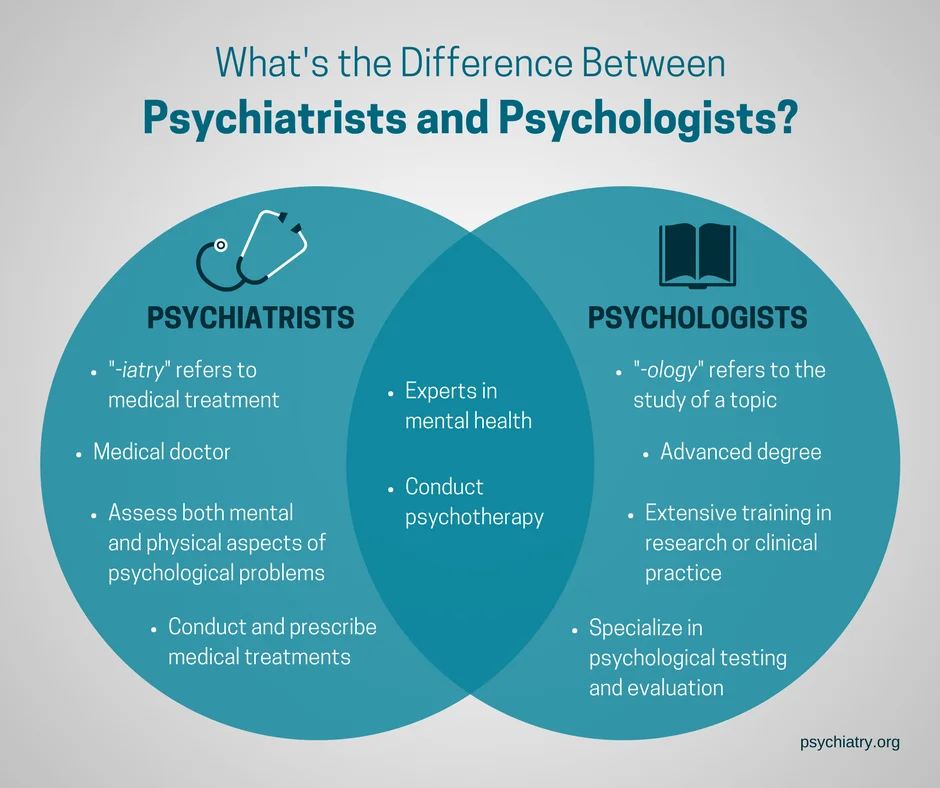
This is a distinction worth making clearly. A psychiatrist brings a medical degree and specialist postgraduate training to sexual health that a general counsellor or even most clinical psychologists does not hold. This matters particularly when a sexual health concern has a biological dimension when medication side effects are contributing to low desire, when an underlying mood disorder is driving erectile difficulties, or when hormonal factors need to be considered alongside psychological ones.
At Mansa Clinic’s Sexual Health Services, Dr. Ninad Baste whose specialist interests explicitly include sexual medicine brings exactly this dual lens to assessments. The psychiatric and psychological dimensions are addressed together, in the same clinical relationship, rather than requiring a patient to navigate two separate systems with two different sets of explanations.
This integrated model is particularly well-suited to psychosexual concerns, which almost always involve both the body and the mind.
What to Expect When You Seek Sexual Health Counselling
For many people, the most anxious moment of the process is the first appointment imagining what the clinician will ask, how they will react, whether they will be judged. Here is a realistic picture of what the experience looks like at a well-run clinic.
The initial session is a conversation. A clinician will ask questions about your concerns, your history, your relationship context, and your overall mental health — not to make you uncomfortable, but because context is essential to understanding what is happening. You will not be asked for more detail than is clinically necessary, and you will have the opportunity to direct the pace.
After this assessment, the clinician will share their understanding of what might be contributing to your concern and outline what they would recommend — whether that is individual counselling, couples sessions, a psychiatric review, or a combination. You will receive a clear explanation, and you will have a say in the plan.
Sessions thereafter are private, structured, and focused. They proceed at a pace that feels safe.
Sexual Health and Mental Health — The Inseparable Connection
Sexual wellbeing and mental health are not separate categories. Depression frequently reduces desire and can cause or worsen erectile dysfunction. Anxiety disorders manifest in performance anxiety and avoidance of intimacy. Relationship conflict and poor communication patterns erode sexual connection. Trauma leaves lasting marks on the body’s capacity for pleasure and safety.
This is why a clinic that treats mental health and sexual health together rather than parcelling them out to different specialists with no communication between them — offers genuinely better care. If you are already seeing a psychiatrist for depression or anxiety, raising a sexual health concern in the same setting is both clinically appropriate and, practically, much easier.
Similarly, for couples navigating both relational difficulties and sexual disconnection, working with a clinic that offers both marital counselling and sexual health support means the two strands of care can be coordinated, rather than working at cross-purposes.
Who Should Consider Sexual Health Counselling?
If you are reading this article and something in it has resonated even quietly that is probably reason enough to consider a consultation. More specifically, sexual health counselling is worth exploring if:
- You or your partner has noticed a persistent change in sexual desire, frequency, or satisfaction
- Sexual activity has become a source of anxiety, avoidance, or conflict in your relationship
- You experience physical symptoms during or around intimacy that you haven’t been able to address
- You are navigating questions of gender identity, sexual orientation, or relationship structure without adequate support
- You have a history of trauma that you sense may be affecting your current relationship with intimacy
- A medication you are taking seems to be affecting your sexual functioning
You don’t need a referral. You don’t need a partner to come with you. You need, at minimum, the willingness to sit down with a clinician who will not flinch at what you say — and to give yourself the same clinical attention you would give any other aspect of your health.
The team at Mansa Clinic is specifically experienced in creating the kind of clinical environment where these conversations happen without embarrassment and without judgment.
Why Confidentiality Isn’t Just a Promise — It’s a Protocol
One of the most consistent barriers people report to seeking sexual health care is fear of privacy breach. Who will know I came here? What if someone in the waiting room recognises me? What if my family finds out?
These concerns are legitimate and deserve a direct answer. At a well-structured clinic, sexual health appointments are scheduled specifically to prevent overlap between sexual health patients and the general outpatient population. All records are kept under standard medical confidentiality protocols. Nothing from your consultation is shared with family members, employers, or any third party without your explicit informed consent — except in the narrow, legally defined circumstances where patient safety is at immediate risk.
Confidentiality in sexual health care is not just a professional norm. At clinics that take it seriously, it is an active design choice embedded in scheduling, record management, and the physical layout of the clinic.
Conclusion Why Choosing Mansa Clinic for Sexual Health Counselling Is a Decision Worth Making
Seeking help for a psychosexual concern is not a sign of failure. It is a recognition that sexual wellbeing is part of overall health and that it deserves the same careful, professional attention as any other aspect of your life.
Sexual health counselling in Pune is available at Mansa Clinic in Aundh, led by a team with the clinical credentials and human sensitivity to make a genuine difference.
Here is why this clinic specifically stands out:
Benefits of Mansa Clinic’s Sexual Health Counselling:
- Integrated care model: psychiatric evaluation and psychological counselling under one roof, so the biological and emotional dimensions of your concern are addressed together
- Complete confidentiality: appointment scheduling and clinical records are managed with a specific privacy protocol for sexual health patients
- LGBTQ+ affirming care: one of the few clinics in Pune to explicitly commit to affirming, non-corrective care for LGBTQ+ individuals
- Trauma-informed approach: EMDR-trained counsellor on staff for sexual health concerns with a trauma history
- Evidence-based treatment: CBT, emotionally focused therapy, and integrated psychiatric management, not generic advice
- Couples sessions available: relational and intimacy concerns can be addressed jointly, in coordination with marital counselling
- Accessible location: centrally located in Aundh, easily reachable from Baner, Wakad, Kothrud, and PCMC areas
About the Specialists:
Dr. Ninad Baste (MBBS, MD – Psychological Medicine) completed his postgraduate training from the prestigious Seth GS Medical College, Mumbai. He served as President of the Indian Psychiatry Society, Pune Chapter (2017–18), and has held faculty positions at national conferences. His listed specialist interests include sexual medicine, marital counselling, and neurocognitive medicine making him one of the few psychiatrists in Pune with formal training specifically in the psychosexual domain.
Ms. Taiba Patel is a Canadian Certified Counsellor trained in trauma-informed therapy, EMDR, CBT, and emotionally focused therapy. She holds certifications from institutions in both Canada and the United Kingdom and brings particular expertise in LGBTQ+ affirming care and sexual health concerns rooted in trauma.
Together, they offer something that is genuinely uncommon in Pune’s clinical landscape a psychiatrist-led, psychologically integrated, explicitly confidential space for sexual health concerns.
To book a consultation at Mansa Clinic, visit mansaclinicpune.com/sexual-health-services or call directly. No referral is required.
Frequently Asked Questions (FAQ)
Q1. What kinds of sexual health concerns can I discuss at Mansa Clinic?
You can discuss any concern related to sexual functioning, desire, performance, intimacy, or identity including erectile dysfunction, low libido, premature ejaculation, sexual anxiety, concerns arising from trauma, LGBTQ+ identity-related challenges, and relationship intimacy issues. There is no concern that is considered too minor or too complex to bring to a session.
Q2. Do I need to bring my partner to a sexual health counselling session?
No. Individual sessions are entirely valid and very common. Partners can be invited to joint sessions where clinically appropriate for example, when intimacy and relationship dynamics are being addressed together but you can begin, and in many cases complete, the counselling process as an individual.
Q3. Will my family know I visited Mansa Clinic for sexual health counselling?
No. All consultations are governed by strict medical confidentiality. Nothing from your session will be shared with family members, employers, or any other party without your explicit consent. Appointment scheduling is also managed to protect patient privacy.
Q4. Is sexual health counselling only for men?
Absolutely not. Women experience sexual health concerns including low desire, pain during intimacy, sexual anxiety, and the aftermath of trauma at significant rates. These concerns are clinically recognised, treatable, and welcome in the consultation room at Mansa Clinic.
Q5. How many sessions will I need?
It depends on the nature and complexity of your concern. For performance anxiety and premature ejaculation, most people see meaningful improvement within 6–8 sessions. For more complex presentations those involving trauma history, relationship dynamics, or co-occurring mental health conditions a longer course is typically more appropriate. Your clinician will give you a realistic estimate after the initial assessment.
Q6. Can sexual health concerns be treated without medication?
In many cases, yes. Psychological approaches particularly CBT and emotionally focused therapy produce lasting results for a wide range of psychosexual concerns without pharmacological intervention. Where medication is indicated, it is discussed transparently, and the decision is always collaborative.
Q7. Is Mansa Clinic safe for LGBTQ+ individuals seeking sexual health support?
Yes. Mansa Clinic explicitly offers LGBTQ+ affirming care. Ms. Taiba Patel has direct experience supporting individuals navigating sexual orientation, gender identity, and the specific mental health pressures of LGBTQ+ life in an Indian social context. This is not therapy that challenges or corrects identity it is care that supports and affirms it.

Dr. Ninad Baste
DR. NINAD BAST, MBBS MD [Psychological Medicine]
Affiliations: Maharashtra Medical Council [registration no.: 2003/03/1356], Pune Psychiatry Association, Indian Psychiatry Society, Bombay Psychiatry Society.
A desire to understand patients' needs in their illness phase and help them through it led Dr. Ninad to specialize in psychiatry after completing his MBBS. He earned his MD in psychological medicine from Mumbai's prestigious Seth GS Medical College. His special areas of interest are neurocognitive medicine, sexual medicine, marital counseling, and personal counseling.
He held the post of president of the Indian Psychological Society [IPS-Pune Chapter] for the year 2017–2018. Dr. Ninad was also a postgraduate guide and an associate professor at Smt. Kashibai Navale Medical College and a general hospital. He has worked on the editorial board of the Annals of Indian Psychiatry, which is the official journal of the IPS-West zone.
He has been a faculty member for various conferences and a member of the organizing committees of some conferences held in Pune.