There is a particular kind of exhaustion that has nothing to do with how many hours you slept. It is the kind that follows you into the morning, sits beside you through the day, and keeps you awake when night finally arrives. For many people living in Pune — managing demanding careers, family responsibilities, and the relentless pace of city life — this feeling becomes so familiar that it starts to feel normal. It is not. If you have been feeling persistently low, emotionally drained, or hollow for more than two weeks, it may be time to explore depression treatment in Pune with a qualified mental health professional. The earlier you reach out, the better your chances of a full and lasting recovery.
This blog is for anyone who has ever wondered whether what they are feeling is “bad enough” to talk to someone about. Spoiler: it almost certainly is.
What Is Depression — And Why Is It So Easy to Miss?
Depression is one of the most misunderstood conditions in Indian society. People often use the word loosely “I’m so depressed about the traffic” or “this weather is depressing” which can make it harder for those genuinely struggling to take their own experience seriously.
Clinically, depression is a medical condition. It involves real, measurable changes in brain chemistry, hormonal regulation, sleep architecture, and even immune function. It is not a character flaw. It is not weakness. And it absolutely does not go away on its own just because you try harder or stay positive.
Some of the most common symptoms include:
- A persistent low mood that does not lift even when things are going reasonably well
- Losing interest in things you once enjoyed — hobbies, food, socialising, intimacy
- Chronic fatigue, even after adequate rest
- Disrupted sleep — either sleeping far too much or lying awake for hours
- Changes in appetite or weight (either direction)
- Difficulty concentrating or making decisions
- Feelings of worthlessness, excessive guilt, or hopelessness
- In more severe cases, thoughts of not wanting to continue living
The tricky part? Depression rarely announces itself clearly. More often, it creeps in quietly — disguised as irritability, physical aches, social withdrawal, or simply “not feeling like yourself.” Many people in Pune spend months — sometimes years — chalking it up to work stress, seasonal change, or personal weakness before they realise something more serious is happening.
The Pune Context: Why Urban Life Can Make Depression Worse
Pune has transformed dramatically over the past two decades. What was once a relatively relaxed city has become a high-pressure hub for IT, manufacturing, education, and entrepreneurship. With that growth has come a hidden cost: rising rates of stress, burnout, and depression, particularly among young professionals, students, and working parents.
A 2023 ICMR study found that 1 in 7 Indians is living with a mental health condition. In urban settings like Pune, this number is widely considered to be higher due to:
- Long working hours and high-performance work cultures
- Social isolation — particularly among migrants who moved here for work or education
- The “keep it together” pressure in family-oriented communities where seeking help feels like admitting defeat
- Easy access to alcohol and sedatives as coping tools
- Lack of awareness about what professional help actually looks like
The stigma around mental health in India means that the average person waits 7 to 10 years between first experiencing symptoms and finally seeing a professional. That delay is not just unfortunate — it is medically significant. Depression that is addressed early responds far better to treatment than depression that has been running unchecked for years.
When Should You Actually Seek Help? These Are the Real Signs
There is no single moment when depression becomes “serious enough” to warrant professional attention. But here are some clear signals that it is time to stop waiting and book an appointment.
1. Your Mood Has Been Low for More Than Two Weeks
A rough patch is normal. Grief, stress, and disappointment are part of life. But if your low mood has persisted for more than two weeks — without an obvious trigger, or well after a difficult event has passed — that is a clinical signal worth investigating.
2. You Have Lost Interest in Things You Used to Enjoy
This symptom, known clinically as anhedonia, is one of the most reliable indicators of depression. If you used to love watching cricket with your family, cooking on Sundays, or catching up with friends — and those things now feel flat or pointless — pay attention to that shift.
3. Your Sleep and Appetite Have Changed Significantly
Both oversleeping and insomnia can be depression symptoms. Similarly, losing your appetite or compulsively eating as comfort are both worth noting. When these changes last for more than a couple of weeks, they are your body asking for help.
4. You Are Using Alcohol or Other Substances to Cope
A drink to unwind is one thing. Needing a drink to get through an evening, or to fall asleep, is a warning sign. Many people in Pune self-medicate depression with alcohol, which temporarily numbs the pain but worsens the underlying condition over time.
5. Your Work or Relationships Are Starting to Suffer
When depression starts affecting your productivity at work, your patience with your family, or your ability to show up in your relationships — it has moved beyond a personal struggle into something that is affecting the people around you too.
6. You Are Having Thoughts of Hopelessness or Not Wanting to Continue
This is the most urgent sign of all. If you are having thoughts that life is not worth living, or thoughts of harming yourself, please seek help immediately. These thoughts are a symptom of illness — not a reflection of your reality — and they respond well to proper treatment.
What Does Depression Treatment Actually Involve?
One of the biggest reasons people delay seeking help is that they do not know what to expect. There is often a fear of being “put on medication forever,” or of lying on a couch answering questions about their childhood for years. The reality is quite different.
Comprehensive Assessment First
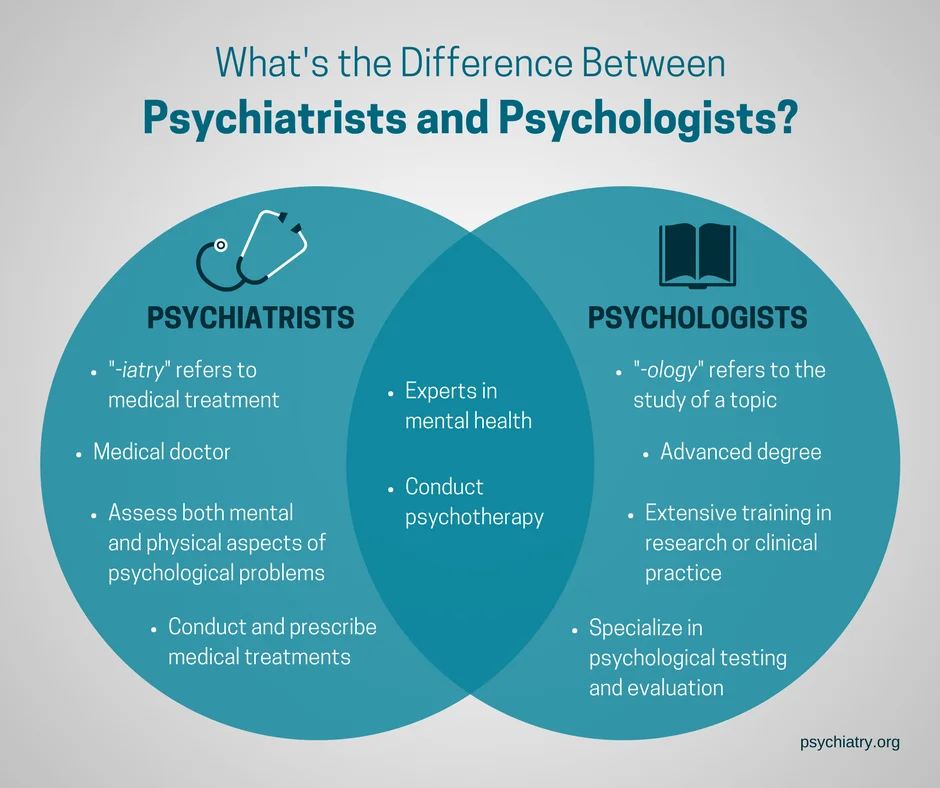
A good psychiatric evaluation starts with listening. A psychiatrist will take a full history — your current symptoms, how long they have been present, your medical history, your lifestyle, your relationships, and your own sense of what is wrong. This assessment shapes everything that follows.
Personalised Treatment Plans — Not One-Size-Fits-All
Effective psychiatric care for depression typically involves a combination of approaches tailored to the individual:
Psychotherapy: Cognitive Behavioural Therapy (CBT) is one of the most well-evidenced treatments for depression. It helps you identify and challenge the thought patterns that maintain low mood. Other approaches like Interpersonal Therapy (IPT), mindfulness-based therapy, and supportive counselling are also used depending on the person’s needs.
Medication: Antidepressants are not happy pills — they are medications that correct neurochemical imbalances that make recovery from depression difficult. They are recommended when symptoms are moderate to severe, or when therapy alone is not producing enough improvement. A skilled psychiatrist will explain clearly what any medication does, what to expect, and how long you will likely need it.
tDCS Therapy: For those with treatment-resistant depression — meaning depression that has not responded adequately to medication or therapy — tDCS therapy for treatment-resistant depression offers a non-invasive, evidence-based alternative. Transcranial Direct Current Stimulation uses a mild electrical current to modulate brain activity in regions associated with mood regulation.
Lifestyle and Support Adjustments: Sleep hygiene, physical activity, social engagement, and dietary patterns all influence mood. A good treatment plan integrates these alongside clinical interventions.
Why Seeking Help Is Not a Sign of Weakness — It Is the Opposite
In many Indian families, there is a deeply ingrained belief that difficult emotions should be managed internally — through prayer, routine, family support, or sheer willpower. While all of those things have genuine value, they cannot correct the neurochemical disruption that underlies clinical depression any more than they can set a broken bone.
Asking for professional help is not giving up. It is making a clear-eyed, practical decision to use the tools that are available to get better. It takes courage to sit in front of a doctor and say, “I am not okay.” That courage is the first step of recovery.
If you are in Pune and you recognise yourself in any of what you have read, reaching out to an experienced mental health team in Pune is the most important thing you can do right now.
Depression in Specific Populations: It Looks Different for Everyone
Depression in Students and Young Adults
Academic pressure, career uncertainty, social comparison amplified by social media, and the experience of living away from home for the first time — these are potent risk factors. Depression in young adults often presents as irritability, social withdrawal, excessive sleeping, or a sudden drop in academic performance rather than classic sadness.
Depression in Working Professionals
Burnout and depression overlap considerably, but they are not the same. Burnout is driven by chronic workplace stress. Depression has deeper neurobiological roots and does not resolve simply by taking a holiday. Many working professionals in Pune’s IT and corporate sectors reach their thirties with both conditions running simultaneously.
Depression in New Mothers
Postpartum depression affects roughly 1 in 5 new mothers and is significantly undertreated in India. It is not “baby blues” — it is a clinical condition that can affect bonding, breastfeeding, and long-term mental health if left unaddressed. Therapy and counselling in Pune can make an enormous difference for new mothers who are struggling.
Depression in Older Adults
Late-life depression is frequently dismissed as a natural consequence of ageing or physical illness. It is neither natural nor inevitable. Depression in older adults often manifests as memory difficulties, physical pain, or social withdrawal — symptoms that are easily misattributed to other causes. Specialist geriatric psychiatry care is available in Pune for those who need it.
What to Expect at Your First Appointment
The idea of visiting a psychiatrist for the first time can feel daunting. Here is what a good first appointment actually looks like:
You will sit with a doctor — a qualified psychiatrist, not a receptionist or junior staff — and have a proper conversation. You will not be interrupted, judged, or hurried. The doctor will ask you about your symptoms, your history, your current life situation, and your goals for treatment. They will share their assessment with you clearly and explain the options available.
You will leave with a plan — whether that is a referral for therapy, a medication recommendation, a follow-up appointment, or all three. You will not be handed a prescription without an explanation. You will not be told to “just think positive.”
A good psychiatrist treats you as an intelligent adult who deserves to understand what is happening in their own mind.
For those with busy schedules or physical barriers to in-person visits, an online psychiatrist consultation may be a practical first step.
Conclusion: Real Help Is Closer Than You Think
Depression is not a life sentence. With the right support, the right treatment, and the right team, recovery is not just possible — it is the expected outcome for the vast majority of people who receive proper care.
At Mansa Clinic, Aundh, Pune, depression treatment is led by Dr. Ninad Baste — MBBS, MD (Psychological Medicine) from Seth GS Medical College, Mumbai. Dr. Baste served as President of the Indian Psychiatry Society, Pune Chapter (2017–18), has been a postgraduate guide and associate professor at Smt. Kashibai Navale Medical College, and has served on the editorial board of the Annals of India Psychiatry. His clinical expertise spans depression, anxiety, bipolar disorder, PTSD, schizophrenia, neurocognitive medicine, and sexual medicine.
He is joined by Dr. Vidya Ganapathy — MBBS, DPM, MD (Psychological Medicine), who brings over 18 years of experience including a tenure at NIMHANS Bangalore, and a dedicated team of clinical psychologists, counsellors, an EMDR-trained trauma therapist, and an art therapist.
What Mansa Clinic offers patients seeking depression treatment in Pune:
- Psychiatrist-led assessments — every patient is reviewed by an MD psychiatrist, not just a counsellor
- Combined medication and psychotherapy under one roof — no need to coordinate across multiple providers
- tDCS brain stimulation for treatment-resistant depression — available on-site, one of very few clinics in Pune to offer this
- EMDR-trained trauma counsellor — for depression rooted in unresolved trauma
- Evening appointments — designed for working professionals who cannot take time off during the day
- Complete confidentiality — no information shared without your explicit consent
- A warm, non-judgmental clinic environment — designed for people taking their first, often hardest, step
If you or someone you care about is struggling, please do not wait. The right help is available, it is close by, and it works.
Frequently Asked Questions (FAQ)
Q1. How do I know if I have depression or just stress?
Stress is usually linked to a specific situation and eases when that situation resolves. Depression persists regardless of external circumstances, affects your ability to feel pleasure, and is often accompanied by physical symptoms like fatigue, sleep changes, and appetite disruption. If you are unsure, a psychiatric assessment will give you a clear answer.
Q2. Is depression treatment in Pune expensive?
The cost of psychiatric care varies depending on the clinic, the professional’s qualifications, and the treatment approach. At Mansa Clinic, the focus is on providing MD psychiatrist-led care that is accessible to Pune families. Contact the clinic directly to understand current consultation charges and appointment availability.
Q3. Will I have to take antidepressants forever?
Not necessarily. The duration of medication depends on the type and severity of your depression, your response to treatment, and other individual factors. Many people take antidepressants for 6 to 12 months and then safely taper under medical supervision. Dr. Baste reviews this with every patient at each stage of treatment.
Q4. Can depression be treated without medication?
For mild to moderate depression, psychotherapy — particularly Cognitive Behavioural Therapy — is a well-evidenced first-line treatment. Medication is typically recommended for moderate to severe depression, for cases where therapy alone is not producing sufficient improvement, or where biological factors are prominent. A psychiatrist will recommend the right approach for your specific situation.
Q5. Is it safe to visit a psychiatrist without telling my family?
Yes. All consultations at Mansa Clinic are completely confidential. Nothing is shared with your family, employer, or anyone else without your explicit consent. You have the right to seek mental health care privately.
Q6. What if I cannot come to the clinic in person?
Mansa Clinic offers online psychiatrist consultations for eligible patients. This is particularly useful for follow-up appointments or for those who find it difficult to travel to Aundh. Contact the clinic to confirm current teleconsultation availability.
Q7. How quickly will I start feeling better with treatment?
This varies by individual and by treatment approach. Antidepressants typically take 2 to 4 weeks to produce noticeable improvement, with full effect often seen at 6 to 8 weeks. Psychotherapy tends to produce change gradually over a series of sessions. Many people begin to notice small but meaningful improvements within the first few weeks of starting treatment.

Dr. Ninad Baste
DR. NINAD BAST, MBBS MD [Psychological Medicine]
Affiliations: Maharashtra Medical Council [registration no.: 2003/03/1356], Pune Psychiatry Association, Indian Psychiatry Society, Bombay Psychiatry Society.
A desire to understand patients' needs in their illness phase and help them through it led Dr. Ninad to specialize in psychiatry after completing his MBBS. He earned his MD in psychological medicine from Mumbai's prestigious Seth GS Medical College. His special areas of interest are neurocognitive medicine, sexual medicine, marital counseling, and personal counseling.
He held the post of president of the Indian Psychological Society [IPS-Pune Chapter] for the year 2017–2018. Dr. Ninad was also a postgraduate guide and an associate professor at Smt. Kashibai Navale Medical College and a general hospital. He has worked on the editorial board of the Annals of Indian Psychiatry, which is the official journal of the IPS-West zone.
He has been a faculty member for various conferences and a member of the organizing committees of some conferences held in Pune.