A child’s mental health shapes everything their confidence in the classroom, the friendships they build, the way they handle failure, and the adults they eventually become. Yet for most Indian families, mental health is still the last conversation at the dinner table.
If your child has been unusually quiet, throwing more tantrums than usual, losing interest in things they once loved, or struggling at school without an obvious academic reason this guide is for you. You will find practical, evidence-based steps to support your child’s mental health at home, along with clear guidance on when it is time to seek professional help through Child and Adolescent Psychiatry Services in Pune.
Why Child Mental Health Matters More Than We Admit
According to the World Health Organisation, half of all mental health conditions begin before age 14. In India, the ICMR reports that 1 in 7 people lives with a mental health condition and urban children in cities like Pune are increasingly affected by academic pressure, screen exposure, and disrupted social development post-pandemic.
The problem is not just that children struggle. The problem is that parents often miss the signs or recognise them but do not know where to turn.
Early intervention changes outcomes dramatically. A child whose anxiety or ADHD is identified at age 7 has a fundamentally different trajectory than one whose condition goes unaddressed until adolescence. This is precisely why Child and Adolescent Psychiatry Services in Pune are not a last resort they are a first response.
10 Ways to Improve Your Child’s Mental Health
- Build a Daily Routine They Can Rely On
Children feel safe when life is predictable. A consistent wake time, meal schedule, homework window, and bedtime does more for a child’s emotional regulation than most parents realise. Uncertainty is one of the biggest hidden drivers of anxiety in children. A routine does not restrict them it frees them.
Practical tip: Involve your child in designing the schedule. When they own it, they follow it. - Talk About Feelings — Not Just Behaviour
Most parent-child conversations about emotions happen after a meltdown. That is too late. Create daily check-ins even five minutes at dinner where your child can name how they felt during the day. Use feeling words beyond “happy” and “sad.” Teach them: frustrated, embarrassed, overwhelmed, proud, nervous.
When children have a vocabulary for emotions, they are less likely to express them through behaviour problems. - Limit Screen Time Without Making It a Battle
Excessive screen exposure is linked to increased anxiety, reduced attention span, and disrupted sleep in children all of which directly affect mental health. The goal is not to ban screens but to build boundaries.
No screens 60 minutes before bedtime
Device-free mealtimes as a family rule
Outdoor play or physical activity for at least 45 minutes daily
Physical activity, in particular, is one of the most effective natural mood regulators for children.
- Teach Them That Failure Is Not Final
Pune’s academic environment is intensely competitive. Children as young as eight face test anxiety, comparison with peers, and pressure to perform. When parents respond to failure with disappointment even subtly children learn that their worth is conditional.
Reframe how you talk about results. “What did you learn from this?” is a more powerful question than “How many marks did you get?” Building a resilience mindset early is one of the strongest protective factors against depression and anxiety in adolescence. - Watch for Signs That Go Beyond a Bad Phase
Every child has difficult days. But certain patterns are worth noting:
- Persistent sadness or irritability lasting more than two weeks
- Sudden withdrawal from friends and family
- A sharp drop in school performance with no academic explanation
- Frequent physical complaints headaches, stomach aches with no medical cause
- Sleep disturbances: difficulty falling asleep, nightmares, or sleeping excessively
- Loss of interest in activities they previously enjoyed
- In teenagers: self-isolation, secretive behaviour, expressions of hopelessness
These signs warrant a professional assessment, not a wait-and-watch approach. Child and Adolescent Psychiatry Services in Pune are equipped to evaluate exactly these patterns and distinguish a difficult phase from a condition that needs support.
- Strengthen the Parent-Child Relationship
The most consistent finding in child mental health research is this: a secure, warm relationship with at least one parent is the single greatest protective factor against mental illness. Children who feel genuinely heard and unconditionally accepted by a parent are more resilient, more socially confident, and less likely to develop anxiety or depression.
This does not require expensive activities. It requires presence phone away, eye contact, active listening. - Do Not Dismiss What They Feel
In Indian households, children are often told their problems are small. “You have everything, why are you sad?” or “Stop being so sensitive” are responses that teach children their emotions are invalid and that they should manage them alone.
Validation does not mean agreement. It means acknowledging: “I can see you are really upset about this.” That one sentence does more than a ten-minute lecture on perspective. - Address Sleep as a Mental Health Priority
Sleep and mental health are deeply connected. Sleep deprivation in children worsens attention, emotional regulation, and impulse control. It mimics and amplifies the symptoms of ADHD and anxiety.
Children aged 6 to 12 need 9 to 11 hours of sleep. Teenagers need 8 to 10 hours. Most Indian school-going children get significantly less particularly in urban settings with heavy homework loads.
Prioritising sleep is not indulgence. It is a mental health intervention. - Seek Help Early Not as a Last Resort
This is the most important point in this guide. Parents in India typically seek professional support only after months of struggle, multiple failed home strategies, and significant academic or social impact. By that point, the child has often developed secondary symptoms from the original condition going unaddressed.
Early access to Child and Adolescent Psychiatry Services in Pune means faster recovery, lower medication dependence, and better long-term outcomes. There is no minimum threshold of suffering a child must meet before they deserve support. - Include the School in the Solution
Children spend more waking hours at school than at home. If a child is struggling emotionally, the school needs to know not for labelling, but for accommodation and support. Share the assessment findings with the class teacher. Request seating adjustments, extended time on tests, or reduced homework if clinically recommended.
Good clinics provide school liaison letters that communicate recommendations without disclosing sensitive clinical detail. This bridge between home, clinic, and school is where the best outcomes happen.
Common Conditions Treated in Child and Adolescent Psychiatry
- Understanding what professional services actually address helps parents make that first call with confidence. Child and Adolescent Psychiatry Services in Pune commonly assess and treat:
- ADHD (Attention Deficit Hyperactivity Disorder): Children labelled “naughty,” “careless,” or “lazy” in school settings are frequently undiagnosed ADHD cases. The condition has a neurological basis and responds well to structured intervention and, where needed, medication.
Anxiety Disorders: School refusal, separation anxiety, social anxiety, and generalised worry that interferes with daily life. - Depression in Children and Teenagers: In adolescents, depression often presents as irritability and social withdrawal rather than the tearfulness commonly associated with adult depression. It is frequently misattributed to exam stress.
- Autism Spectrum Disorder (ASD): Early assessment and intervention through structured programmes dramatically improves outcomes for children on the spectrum.
- ODD and Conduct Disorders: Oppositional behaviour, persistent rule-breaking, and defiance that exceeds typical developmental stages.
- Learning Disabilities: Reading, writing, and numeracy difficulties that need structured psychological support alongside academic remediation.
About Mansa Clinic’s Child and Adolescent Psychiatry Services
Mansa Clinic, located at Parihar Chowk, Aundh, Pune, offers specialised Child and Adolescent Psychiatry Services in Pune for children aged 18 months through to 17 years.
Dr. Vidya Ganapathy NIMHANS-Trained Child Psychiatrist
Dr. Vidya Ganapathy holds an MD in Psychological Medicine (USAIM) and a DPM from Nair Hospital, Mumbai University, with over 18 years of experience in psychiatry. She completed specialised child psychiatry training at NIMHANS Bangalore India’s foremost neuroscience institution and is one of very few clinicians in Maharashtra certified by the Comdeall Trust, Bangalore for early intervention in autism.
Dr. Vidya conducts play therapy for children with a range of behavioural difficulties, runs structured parent coaching sessions alongside child sessions, and has developed the “Smell the Roses, Beat the Thorns” resilience programme, delivered in Pune schools. Parents consistently describe her approach as soft-spoken and deeply empathic children relax and engage even in a first session.
The clinic also has a full team including clinical psychologists, counsellors, an art therapist, and a physical therapist, making it one of the most complete mental health setups for children in western Pune.
Services available include:
- Child psychiatric assessment
- Play therapy
- Comdeall early autism intervention programme
- Cognitive behavioural therapy (CBT) adapted for children and adolescents
- Parent coaching and homework-based sessions
- School liaison reports
- IQ and developmental quotient (DQ) evaluation
- Emotional wellness sessions
When Should You Book an Appointment?
If your child shows two or more of the signs listed earlier in this guide — or if your instinct as a parent tells you something is not right — that is reason enough to book an assessment. You do not need a referral. You do not need a diagnosis in hand.
The first appointment at Mansa Clinic is built entirely around your child’s comfort. No alarming language, no rushing, no judgement.
Book a consultation with Dr. Vidya Ganapathy at Mansa Clinic, Aundh, Pune
Also read: Adult Psychiatry Services at Mansa Clinic | About Our Team
Key Takeaways
Child mental health problems are common, diagnosable, and treatable
Early intervention produces significantly better long-term outcomes
Signs to watch: persistent sadness, school avoidance, sleep disruption, withdrawal
A secure parent-child relationship is the single strongest protective factor
Professional Child and Adolescent Psychiatry Services in Pune are the right next step when home strategies are not enough
Quick Facts
Fact Detail Age range treated18 months to 17 years Most common referral age4 to 14 yearsKey conditionsADHD, Anxiety, Depression, ASD, ODDLead specialistDr. Vidya Ganapathy, NIMHANS-trainedClinic locationParihar Chowk, Aundh, PuneAutism programmeComdeall (one of very few certified centres in Maharashtra)
Frequently Asked Questions
Q1. At what age should I take my child to a child psychiatrist?
There is no minimum age. Dr. Vidya Ganapathy at Mansa Clinic assesses children from 18 months for developmental concerns. For behavioural and emotional concerns, most families seek help when children are between 4 and 14 years old. If something feels wrong, an early assessment is always the right call.
Q2. Is my child’s condition caused by bad parenting?
No. Conditions like ADHD, anxiety, and autism have neurological and genetic components. Parenting style can influence how a child copes, but it does not cause these conditions. Good parents seek help; that is what good parenting looks like.
Q3. Will my child need medication?
Not necessarily. Many children improve significantly through therapy, parent coaching, and school accommodations alone. Where medication is recommended, it is prescribed conservatively, monitored regularly, and always explained in full to parents before starting.
Q4. How is child psychiatry different from child psychology?
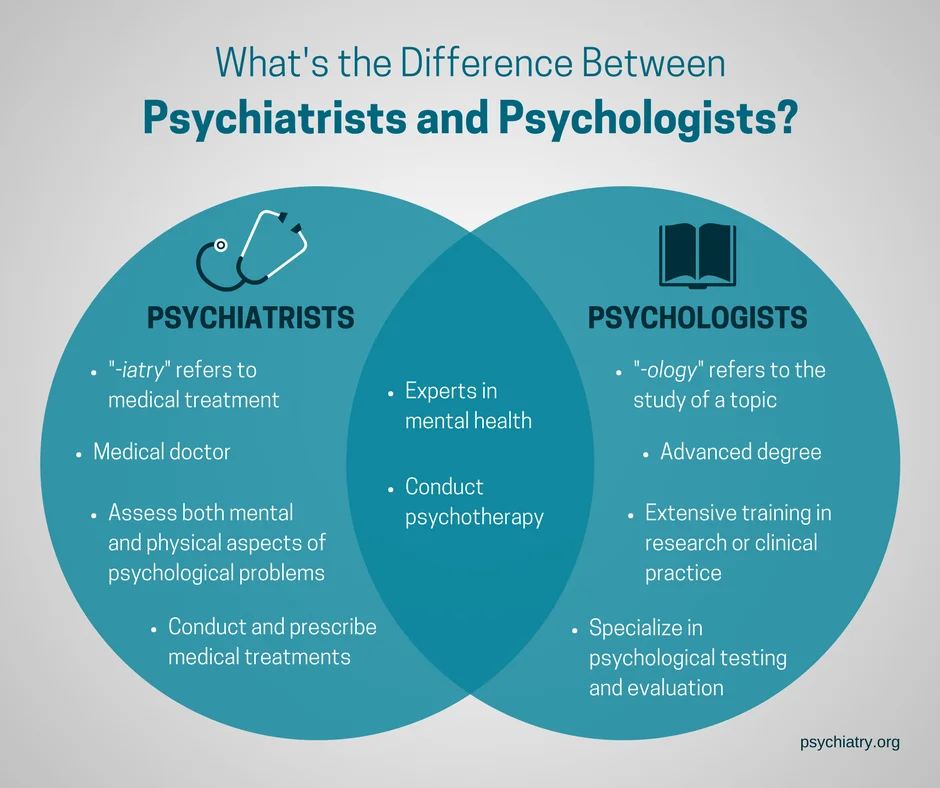
A child psychiatrist is a medical doctor who can both diagnose conditions and prescribe medication. A clinical psychologist provides therapy and assessments but does not prescribe. Mansa Clinic has both, working together as part of the same treatment plan.
Q5. What makes Mansa Clinic’s Child and Adolescent Psychiatry Services in Pune different?
Mansa Clinic is one of the very few clinics in Maharashtra with a NIMHANS-trained child psychiatrist and a certified Comdeall autism therapist on staff. The clinic’s approach combines play therapy, CBT, parent coaching, and school liaison, tailored to each child individually rather than following a rigid protocol.
Q6. How do I know if my teenager is depressed or just going through a phase?
Typical teenage moodiness is temporary and situational. Depression lasts longer than two weeks, affects multiple areas of life (sleep, appetite, school, friendships), and does not lift with distraction or time. When in doubt, a professional assessment from Child and Adolescent Psychiatry Services in Pune will give you a clear answer.
Q7. Can I bring my child without them knowing it is a psychiatric consultation?
It is always better for children to know they are visiting a doctor who helps with feelings and behaviour. Dr. Vidya uses age-appropriate language and play-based methods so children rarely feel anxious about the visit. Transparency builds trust, and trust is what makes therapy work.

Dr. Ninad Baste
DR. NINAD BAST, MBBS MD [Psychological Medicine]
Affiliations: Maharashtra Medical Council [registration no.: 2003/03/1356], Pune Psychiatry Association, Indian Psychiatry Society, Bombay Psychiatry Society.
A desire to understand patients' needs in their illness phase and help them through it led Dr. Ninad to specialize in psychiatry after completing his MBBS. He earned his MD in psychological medicine from Mumbai's prestigious Seth GS Medical College. His special areas of interest are neurocognitive medicine, sexual medicine, marital counseling, and personal counseling.
He held the post of president of the Indian Psychological Society [IPS-Pune Chapter] for the year 2017–2018. Dr. Ninad was also a postgraduate guide and an associate professor at Smt. Kashibai Navale Medical College and a general hospital. He has worked on the editorial board of the Annals of Indian Psychiatry, which is the official journal of the IPS-West zone.
He has been a faculty member for various conferences and a member of the organizing committees of some conferences held in Pune.