Parents often focus on nutrition, schooling and physical health when raising a child and rightly so. But one area that still does not get enough attention is mental health. How does mental health affect child development? The answer is more significant than most people realise. A child’s emotional and psychological state shapes everything how they learn, how they make friends, how they handle failure, and even how their brain physically grows. When mental health goes unaddressed in early years, the effects can follow a child well into adulthood.
The Link Between Mental Health and Brain Development
The human brain develops rapidly during childhood, especially in the first five years. During this period, the brain builds connections that form the foundation for thinking, memory, emotional regulation and behaviour. Stress, trauma and untreated mental health conditions actively disrupt this process.
When a child experiences prolonged stress whether from abuse, neglect, parental conflict or poverty the body releases cortisol, a stress hormone. Chronic cortisol exposure can shrink the hippocampus, the part of the brain responsible for memory and learning. This is not a vague or theoretical risk. Research from institutions like Harvard’s Centre on the Developing Child has documented how toxic stress physically alters brain architecture in children.
On the other hand, children who grow up in emotionally safe environments with responsive caregivers tend to develop stronger neural pathways. They are better at problem-solving, self-control and forming relationships all skills that shape their entire life trajectory.
Emotional Development: When Feelings Have Nowhere to Go
Children are not born knowing how to manage their emotions. They learn this skill gradually, mostly by watching adults around them and by having their own emotions acknowledged and validated. When a child lives with anxiety, depression or emotional neglect, this learning process breaks down.
A child with unmanaged anxiety may become a chronic worrier. They avoid new situations, struggle to make decisions and often appear clingy or irritable. Over time, this can lead to school refusal, social withdrawal and a persistent sense of dread that has no clear reason.
Children dealing with depression yes, children do get depressed often lose interest in play, show changes in appetite or sleep, and become unusually quiet or tearful. Because these signs look different in children than in adults, many parents miss them or mistake them for behavioural issues.
Emotional dysregulation, when a child cannot manage their feelings, often leads to outbursts, aggression or total shutdown. These responses are not bad behaviour. They are a child’s nervous system doing the best it can without the tools to cope.
Social Development: The Ripple Effect on Relationships
Children learn how to connect with others through early relationships, play and daily interactions. Poor mental health interferes with all of this.
A child who struggles with social anxiety may avoid group activities, find it hard to make friends and experience intense distress in social settings. Over time, loneliness becomes its own risk factor isolated children are more vulnerable to bullying, low self-esteem and further mental health difficulties.
Children with behavioural disorders like ADHD or conduct disorder often face rejection from peers because their behaviour is misread as aggression or rudeness. Without proper support, these social failures accumulate and create a negative self-image that is hard to undo in later years.
Early attachment the bond between a child and their primary caregiver also plays a decisive role. Children who form secure attachments grow up with the confidence to explore the world and trust others. Those with insecure attachments tend to struggle in relationships throughout life. Mental health conditions in parents, such as postnatal depression, can directly affect attachment quality and therefore the child’s social development.
Academic Performance: Mental Health in the Classroom
Schools expect children to sit, focus, follow instructions and retain information. These are cognitive tasks that depend heavily on emotional stability. A child dealing with untreated mental health issues often cannot meet these expectations, not because they are not intelligent, but because their mind is occupied with fear, sadness or hypervigilance.
Anxiety makes it hard to concentrate. Depression saps motivation. Trauma can trigger flashbacks or emotional dissociation in the middle of a lesson. ADHD makes sustained attention genuinely difficult without the right support in place.
Studies consistently show that children with mental health conditions are more likely to have lower grades, higher absenteeism and greater risk of dropping out of school. Early intervention changes this. Children who receive timely mental health support show measurable improvements in academic performance, often within months.
Physical Health Is Not Separate From Mental Health
There is no clean dividing line between mental and physical health, especially in children. Psychological stress manifests in the body. Stomach aches before school, frequent headaches, disrupted sleep and loss of appetite are all common physical signs of mental distress in children.
Children with chronic mental health conditions also show altered immune responses. They get sick more often and take longer to recover. Long-term, unmanaged stress in childhood has been linked to higher risks of cardiovascular disease, diabetes and autoimmune conditions in adulthood.
Sleep is particularly important here. Children need deep, restful sleep for brain consolidation, emotional regulation and physical growth. Anxiety and depression frequently disrupt sleep, creating a cycle where poor sleep worsens mental health, which in turn worsens sleep.
What Are the Warning Signs Parents Should Watch For?
Knowing what to look for is the first step. Not every behavioural change signals a mental health condition, but patterns that persist over weeks or months deserve attention.
In younger children (ages 2–7): extreme separation anxiety, frequent nightmares, regression to earlier behaviours like bedwetting, explosive tantrums that go beyond typical development, and very limited eye contact or social interest.
In older children (ages 8–12): persistent sadness or hopelessness, declining grades, withdrawal from friends and activities they previously enjoyed, frequent physical complaints with no medical cause, and expressions of worthlessness or statements like “I wish I wasn’t here.”
In adolescents: mood swings that go beyond normal teen volatility, secretive behaviour, changes in eating habits, self-harm, substance use, and significant changes in sleep patterns.
If several of these signs appear together and last more than two weeks, a professional evaluation is the right next step.
The Role of Family Environment in a Child’s Mental Health
A child does not exist in isolation. Their mental health is shaped by everything happening around them. Family dynamics — the quality of communication, the presence or absence of conflict, financial stress, parental mental health all leave deep marks.
Children raised in households with domestic violence, parental substance abuse or chronic instability carry an elevated risk of developing anxiety, depression and behavioural disorders. This is not destiny. Protective factors one stable, caring adult, access to therapy, strong community ties can buffer these effects significantly.
Parents who seek help for their own mental health are doing something powerful for their children. A parent who is emotionally regulated, available and responsive gives a child the best possible foundation, regardless of other challenges they face.
When to Seek Professional Help
Many parents wait too long to consult a professional, hoping the child will “grow out of it.” Sometimes that happens. But when mental health concerns persist, waiting makes the situation harder to treat.
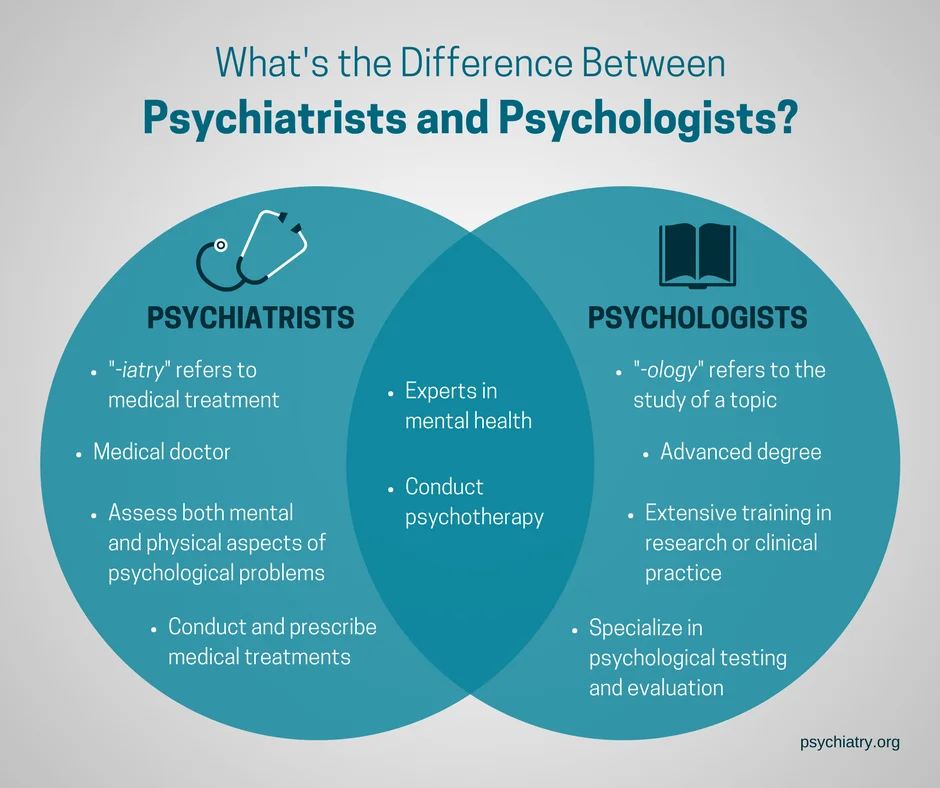
A child psychiatrist or psychologist can assess what is happening, rule out other causes and provide evidence-based support. Treatment options for children are very different from adult psychiatry. They typically include play therapy, cognitive behavioural therapy, family therapy, and where necessary, carefully monitored medication.
Early intervention is consistently shown to produce better outcomes. The sooner a child gets the right support, the less likely the problem is to become entrenched or to affect adult functioning.
How Parents Can Support a Child’s Mental Health Day to Day
Professional support is important, but so is what happens at home. Parents have significant influence over a child’s emotional world, even when it does not feel that way.
Listen without immediately trying to fix. When a child expresses difficult feelings, resist the urge to minimise or redirect. Saying “I hear you, that sounds really hard” teaches a child their feelings are valid and that they can come to you when things are difficult.
Create predictable routines. Children feel safe when they know what to expect. Consistent meal times, bedtimes and morning routines reduce anxiety and give children a sense of control.
Limit screen time thoughtfully. Excessive social media use in older children has been linked to increased anxiety, depression and poor sleep. Set boundaries early and model healthy screen habits yourself.
Praise effort, not just results. Children who are praised only for outcomes develop a fear of failure. Praising the process builds resilience and a growth mindset that serves them far beyond childhood.
Normalise conversations about mental health. The more openly a family talks about feelings, stress and seeking help when needed, the less stigma a child internalises around mental health.
Conclusion
Understanding how does mental health affect child development is one of the most important things a parent, teacher or caregiver can do. The evidence is clear: a child’s emotional and psychological health is inseparable from their cognitive growth, academic progress, social skills and physical wellbeing. Ignoring early signs does not protect a child; it delays the help they need.
The good news is that children are resilient. With the right support at the right time, most mental health challenges in childhood are highly treatable. Early help truly changes trajectories.
At Mansa Clinic Pune, our team specialises in child and adolescent psychiatry, helping families understand and address mental health challenges from the earliest stages. Dr. Ninand Baste & Dr. Vidya ganapathy , a consultant psychiatrist with specialised training in child and adolescent mental health, offers compassionate, evidence-based care for children facing anxiety, depression, ADHD, behavioural difficulties and developmental concerns. If you are concerned about your child, reaching out for a consultation is the right first step. Call to book an appointment today.

Dr. Ninad Baste
DR. NINAD BAST, MBBS MD [Psychological Medicine]
Affiliations: Maharashtra Medical Council [registration no.: 2003/03/1356], Pune Psychiatry Association, Indian Psychiatry Society, Bombay Psychiatry Society.
A desire to understand patients' needs in their illness phase and help them through it led Dr. Ninad to specialize in psychiatry after completing his MBBS. He earned his MD in psychological medicine from Mumbai's prestigious Seth GS Medical College. His special areas of interest are neurocognitive medicine, sexual medicine, marital counseling, and personal counseling.
He held the post of president of the Indian Psychological Society [IPS-Pune Chapter] for the year 2017–2018. Dr. Ninad was also a postgraduate guide and an associate professor at Smt. Kashibai Navale Medical College and a general hospital. He has worked on the editorial board of the Annals of Indian Psychiatry, which is the official journal of the IPS-West zone.
He has been a faculty member for various conferences and a member of the organizing committees of some conferences held in Pune.