We all have rough weeks. A deadline piling up at work, a disagreement with someone you love, a night where sleep simply won’t come that’s life, and most of us push through it without a second thought. But what happens when it stops feeling like “just a rough patch”? What happens when the rough patch quietly becomes your normal?
This is a question more people are sitting with than you might think. And the honest answer is that the line between everyday stress and something that genuinely needs professional support is not always obvious. If you’ve been going back and forth in your own mind wondering whether what you’re feeling is serious enough to bring to a therapist or a psychiatrist you’re not alone, and you’re asking exactly the right question. Knowing the signs you need therapy early can make a real difference in how quickly you feel like yourself again.
This blog walks you through seven signs that what you’re experiencing may go beyond normal stress, and what you can do about it.
First, Let’s Talk About Stress Because It’s Real and It Matters
Before we get into the warning signs, let’s be clear: stress is not trivial. It can be exhausting, disorienting, and genuinely disruptive to daily life. Stress typically has a clear cause a big project, a family crisis, a financial worry and it tends to lift once that cause is resolved or passes. Your appetite comes back. You sleep a little better. You start feeling like yourself again.
That natural recovery is the key difference. When stress doesn’t recover on its own, or when it starts affecting your health, relationships, and identity in ways that persist, that’s when it’s worth paying closer attention.
7 Signs You Need Therapy (Not Just a Break)
1. You Feel Overwhelmed by Things That Didn’t Used to Affect You
Everyone has a threshold. But when you find yourself breaking down over a minor inconvenience a delayed train, a small disagreement, a simple request from your boss and the reaction feels completely out of proportion, that’s your nervous system trying to tell you something.
This kind of emotional flooding, where small triggers produce big responses, often signals that your nervous system has been running on empty for a long time. You’re not overreacting. You’re exhausted at a level that a weekend off won’t fix.
A therapist can help you understand what’s underneath that flooding and give you real tools not just breathing exercises, but structured approaches like Cognitive Behavioural Therapy (CBT) to build genuine resilience.
2. Your Sleep Has Changed Significantly and Stayed That Way
A bad night here and there is normal. But if you’ve been struggling to fall asleep, waking at 3 AM with your mind already racing, or sleeping ten hours and still dragging yourself through the day — and this has been going on for weeks it’s a meaningful signal.
Sleep disruption is one of the earliest and most consistent indicators of anxiety, depression, and burnout. The body stops being able to switch off. And the cruel irony is that poor sleep makes everything else harder: your mood drops, your concentration fractures, and your ability to manage stress shrinks further.
If this pattern is familiar, speaking to a mental health professional not just your GP can get to the root of what’s driving it.
3. You’ve Pulled Away from People You Used to Enjoy Being Around
Wanting a quiet evening alone after a hard week is healthy. But gradually losing interest in the people and activities you used to find genuinely nourishing friends, hobbies, family dinners, things that used to bring you joy is a different matter.
This kind of withdrawal is common in depression and anxiety, but it can also happen with burnout and unprocessed grief. What makes it tricky is that the withdrawal itself makes everything worse. The less you connect, the lonelier you feel. The lonelier you feel, the harder it becomes to reach out.
If you’ve been cancelling more than you’ve been showing up, and it doesn’t feel like a choice so much as an inability, that’s worth talking to someone about.
4. You’re Using Something to Cope and It’s Becoming a Pattern
Not all coping strategies are harmful. But when you notice that you’re regularly reaching for alcohol, scrolling for hours without meaning to, overeating or barely eating, working to the point of collapse, or using any substance to take the edge off at the end of the day and it’s becoming the thing you rely on to feel okay that’s a sign that something underneath needs attention.
Coping mechanisms aren’t the problem. They’re the solution to an unaddressed problem. The question is: what is the thing they’re helping you not feel?
A therapist or psychiatrist won’t judge how you’ve been coping. Their job is to help you understand what you’ve been coping with and find better ways through it.
5. You Have Physical Symptoms That Don’t Have a Medical Explanation
Stress lives in the body. Headaches that start on Sunday night. A chest that feels tight in meetings. A stomach that knots up before any social situation. Muscle tension you’ve come to think of as just how you are.
When a doctor has ruled out physical causes and these symptoms persist, the body is often speaking a language that hasn’t yet been heard in words. Anxiety, unresolved trauma, and chronic stress all show up physically and they don’t resolve with painkillers.
This is an area where psychological counselling combined with psychiatric assessment can make a significant difference, often more quickly than people expect.
6. You’re Having Thoughts That Scare You
This is the sign people most often minimise or keep entirely to themselves. Intrusive thoughts thoughts about harming yourself, thoughts that spiral into catastrophe, thoughts that make you question whether you want to be here can be deeply frightening to experience, and deeply isolating to carry alone.
It’s important to say clearly: having a dark or frightening thought does not make you a dangerous person. But it does mean you deserve support from someone trained to help. If you’ve been carrying thoughts like these, please don’t wait until they feel more urgent. The right time to speak to a mental health professional is now.
7. You Feel Like You’re Just Going Through the Motions
This one is subtle, but it’s important. Not sadness exactly more like flatness. You’re doing the things you’re supposed to do going to work, managing the household, responding to messages but you feel oddly absent from your own life. Like you’re watching it from a distance.
This feeling, called emotional numbing or anhedonia, is one of the quieter signs of depression. It doesn’t always look like what people imagine depression looks like. There are no dramatic breakdowns. Just a gradual dimming of colour and engagement with life.
If this sounds like your last few months, it’s worth naming it to a professional. Because this is treatable and you don’t have to stay in that grey space.
So, When Should You Definitely Seek Help?
If any of the above has been going on for more than two weeks, if it’s affecting your work, relationships, or health, or if you’ve been dismissing it and telling yourself you just need to push through — that’s your answer. These are signs you need therapy or a psychiatric consultation, not a tougher mindset.
Seeking help is not a sign that something is fundamentally wrong with you. It’s a sign that you recognise when something needs attention, and that you’re willing to take care of yourself the way you’d take care of anyone else you love.
Conclusion : How Mansa Clinic Can Help You Take That First Step
Understanding the difference between everyday stress and something that needs professional support is the first step and it’s a meaningful one. At Mansa Clinic in Aundh, Pune, that next step is made as straightforward and judgment-free as possible.
Mansa Clinic’s psychological counselling services are delivered by a team of seven qualified specialists trained in India, Canada, Australia, and Singapore. Whether what you’re carrying calls for CBT, EMDR, trauma-focused therapy, emotionally focused therapy, or art therapy the right approach is matched to you, not applied as a one-size template.
The clinic is led by Dr. Ninad Baste (MBBS, MD in Psychological Medicine, Seth GS Medical College, Mumbai), who brings over 23 years of experience in adult psychiatry, psychosexual medicine, and marital counselling, and has served as President of the Indian Psychiatry Society, Pune Chapter. Alongside him is Dr. Vidya Ganapathy (MBBS, DPM, MD in Psychological Medicine), who trained at NIMHANS Bangalore — one of India’s most respected neuroscience institutions and leads the clinic’s child and adolescent psychiatry programme.
For adults navigating anxiety, burnout, grief, relationship difficulty, or persistent low mood, the adult psychiatric services at Mansa Clinic offer psychiatrist-led assessment and personalised care. For couples whose communication has broken down, marital counselling is available through evidence-based approaches including EFT. And for those who prefer the flexibility of a remote session, online psychiatrist consultation is available through the clinic.
What you’re feeling deserves to be understood not dismissed, and not managed alone. Book your first appointment at Mansa Clinic by calling or visiting Mansa clinic
Frequently Asked Questions
How do I know if what I’m feeling is serious enough for therapy?
If your mood, sleep, relationships, or ability to function has been affected for more than two weeks, it’s serious enough. There is no minimum threshold of suffering required to speak to a professional. Therapists and psychiatrists work with the full range of human experience not just crisis.
What’s the difference between seeing a therapist and seeing a psychiatrist?
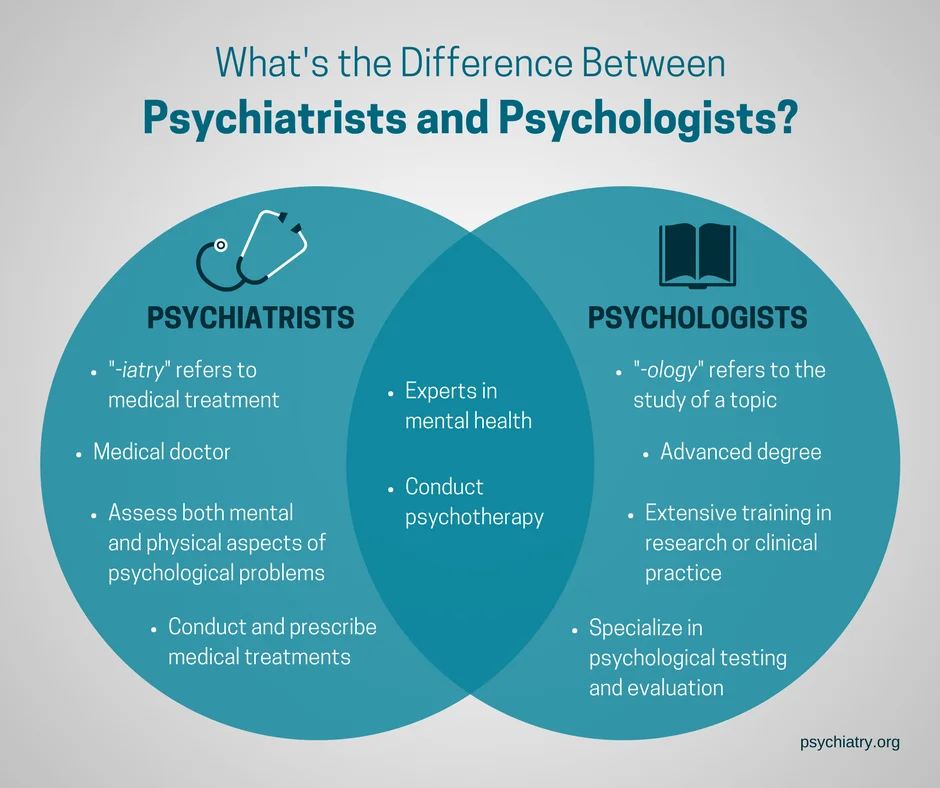
A psychiatrist is a medical doctor who can both prescribe medication and provide therapy. A therapist or psychologist focuses on talk-based and skills-based approaches. At Mansa Clinic, both work together which means you get whichever combination is actually right for what you need.
Can stress turn into depression?
Yes, it can. Prolonged, unmanaged stress changes the way the brain regulates mood, sleep, and energy and over time, this can develop into clinical depression or anxiety disorder. Early intervention makes a significant difference in how quickly and completely people recover.
Is going to therapy a sign of weakness?
The opposite, actually. It takes honesty to recognise when something isn’t working, and it takes courage to ask for help. The majority of Mansa Clinic’s patients come in not because they’re in crisis, but because they’ve decided to take their mental health as seriously as their physical health.
How soon can I get an appointment at Mansa Clinic in Pune?
You can book directly by calling or through the contact form on Mansa Clinic. No referral is required.
Can I speak to someone online instead of coming in person?
Yes. Mansa Clinic offers online psychiatrist consultations contact the clinic to confirm current availability and to find the format that works best for you.

Dr. Ninad Baste
DR. NINAD BAST, MBBS MD [Psychological Medicine]
Affiliations: Maharashtra Medical Council [registration no.: 2003/03/1356], Pune Psychiatry Association, Indian Psychiatry Society, Bombay Psychiatry Society.
A desire to understand patients' needs in their illness phase and help them through it led Dr. Ninad to specialize in psychiatry after completing his MBBS. He earned his MD in psychological medicine from Mumbai's prestigious Seth GS Medical College. His special areas of interest are neurocognitive medicine, sexual medicine, marital counseling, and personal counseling.
He held the post of president of the Indian Psychological Society [IPS-Pune Chapter] for the year 2017–2018. Dr. Ninad was also a postgraduate guide and an associate professor at Smt. Kashibai Navale Medical College and a general hospital. He has worked on the editorial board of the Annals of Indian Psychiatry, which is the official journal of the IPS-West zone.
He has been a faculty member for various conferences and a member of the organizing committees of some conferences held in Pune.