Table of contents
- KEY TAKEAWAYS
- Introduction
- Pune Child School Refusal Statistics 2025-2026
- What Is Child School Refusal? The Clinical Definition
- Common Causes of School Refusal in Children in Pune
- How a Child Psychiatrist in Pune Diagnoses School Refusal
- School Refusal Treatment Options and Costs in Pune 2026
- Local Context: Child Psychiatry Services in Aundh, Pune
- What Parents in Pune Can Do Right Now
- Frequently Asked Questions
- 1. Is school refusal the same as truancy?
- 2. At what age does school refusal most commonly appear?
- 3. Will my child grow out of school refusal on their own?
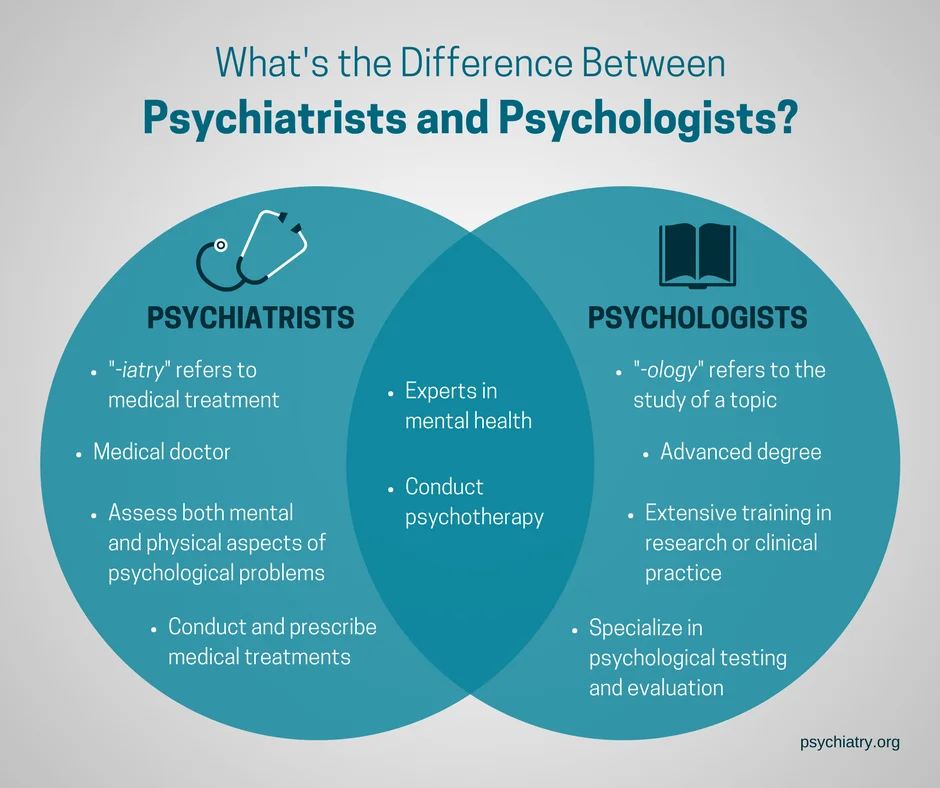
- 4. What does a child psychiatrist do differently from a school counsellor?
- 5. How long does treatment for school refusal take?
- 6. Can parental anxiety contribute to a child’s school refusal?
- 7. Is medication used for school refusal in children?
- Conclusion
KEY TAKEAWAYS
- Child school refusal is a recognised clinical condition affecting an estimated 1 to 5% of school-aged children worldwide (WHO, Industry estimate).
- It is not defiance. It signals genuine emotional distress and requires a structured clinical assessment.
- Separation anxiety, social anxiety, ADHD and depression are the most common underlying diagnoses.
- Untreated school refusal tends to worsen and can affect academic progress, social development and long-term mental health.
- A child psychiatrist in Pune can assess the root cause and design a graduated, evidence-based return-to-school plan.
- Early intervention produces significantly better outcomes. Don’t wait to see if it resolves on its own.
Introduction
Child school refusal is one of the most distressing situations a parent in Pune can face. One morning your child is fine; the next, there are tears, physical complaints and an outright refusal to leave the house. It’s confusing, emotionally exhausting and often misread as stubbornness.
As a child psychiatrist in Pune with over 25 years of clinical experience, Dr. Ninad Baste at Mansa Clinic, Aundh sees school refusal throughout the academic year. The condition is well-recognised in child and adolescent psychiatry, and it’s very treatable when approached correctly.
This guide explains what school refusal actually is, the medical and psychological reasons it occurs, and what parents in Pune can do to access the right help quickly. Information draws on WHO guidelines, AIIMS research and published psychiatric literature.
| QUICK FACTS: Child School Refusal in IndiaSchool refusal affects an estimated 1 to 5% of school-aged children worldwide (WHO, Industry estimate).Peak onset occurs at two key transitions: starting school (ages 5-7) and entering secondary school (ages 11-14).ADHD is present in approximately 25 to 35% of children with persistent school refusal (Journal of Child Psychology, 2021).Without treatment, school refusal can persist for months and significantly impact academic and social development.Success rate of early CBT-based intervention for anxiety-driven school refusal: 70 to 80% return to full-time school (PubMed, 2022).Mansa Clinic’s COMDEALL Autism Programme supports children with neurodevelopmental conditions who experience school avoidance. |
Pune Child School Refusal Statistics 2025-2026
| Metric | Data | Source |
| Global prevalence of school refusal | 1-5% of school-age children | WHO, Industry estimate |
| Proportion with co-occurring anxiety disorder | ~50-60% | PubMed meta-analysis, 2020 |
| Proportion with co-occurring ADHD | ~25-35% | Journal of Child Psychology, 2021 |
| Proportion with co-occurring depression | ~15-25% | NIMHANS India, Industry estimate |
| Peak onset age (transition periods) | 5-7 years and 11-14 years | Clinical consensus |
| Cases resolving without treatment within 6 months | Less than 20% | Industry estimate |
| Average delay before seeking help in India | 3 to 6 months after onset | Industry estimate |
| CBT success rate for anxiety-driven school refusal | 70-80% return to full-time school | PubMed systematic review, 2022 |
What Is Child School Refusal? The Clinical Definition
School refusal is defined as a child’s emotionally driven difficulty in attending school, leading to significant distress and partial or total absence. Unlike truancy, where a child avoids school without parental knowledge and shows little emotional distress, school refusal is transparent. The child is visibly distressed, the parent is fully aware, and attempts to encourage attendance often escalate the distress.
School refusal is not a diagnosis in itself. It’s a presenting behaviour that points to one or more underlying conditions. The psychiatrist’s role is to identify which condition is driving the refusal and treat it appropriately.
This is also not a parenting failure. Parents of children with school refusal typically experience high levels of anxiety and guilt. The condition arises from a combination of temperamental, environmental and clinical factors that no parenting strategy alone can fully address.
Common Causes of School Refusal in Children in Pune
Separation Anxiety Disorder
The most common driver of school refusal in younger children aged 5 to 10. The child experiences intense, disproportionate fear about separation from a primary caregiver. Physical symptoms including stomach aches, headaches and nausea are very common on school mornings and typically resolve if the child stays home, which misleads parents into thinking the complaints are purely medical.
Social Anxiety Disorder
Social anxiety is a significant factor in older children and adolescents. The child fears being judged, embarrassed or humiliated in a social setting. School environments, with their peer hierarchies, classroom performances and constant social interaction, are particularly triggering. Pune’s competitive academic culture can intensify these anxieties.
ADHD and Learning Difficulties
Children with undiagnosed or inadequately managed ADHD often struggle significantly in a structured school environment. Repeated academic failures, frustration and negative feedback eventually generate avoidance. ADHD frequently goes unidentified in Indian schools, where it’s misread as laziness or poor behaviour. Learning difficulties such as dyslexia can have a similar effect.
Bullying and School-Related Trauma
Persistent peer bullying, including cyberbullying, is a clinically significant driver of school refusal. A child who has experienced repeated humiliation or social exclusion develops a genuine threat response to the school environment. This isn’t avoidance for convenience; it’s a protective response to perceived danger.
Depression in Children and Adolescents
Childhood depression is frequently missed because it doesn’t always present with visible sadness. Irritability, social withdrawal, loss of interest in activities, sleep changes and academic decline are common presentations. School refusal driven by depression requires a different treatment approach from anxiety-driven refusal.
How a Child Psychiatrist in Pune Diagnoses School Refusal
Diagnosis involves a thorough evaluation rather than a brief appointment. At Mansa Clinic, Aundh, the assessment includes a detailed clinical interview with the child and parents separately, standardised rating scales for anxiety, ADHD and mood, a review of developmental history, school reports and any prior evaluations, and coordination with the school counsellor where indicated.
The psychiatrist identifies whether the refusal is primarily anxiety-based, mood-based, neurodevelopmental or environmentally triggered, as this distinction drives the treatment plan. Medical causes for physical symptoms are also reviewed, and a paediatric referral is arranged if needed.
School Refusal Treatment Options and Costs in Pune 2026
| Treatment Type | Best For | Duration | Approx. Cost in Pune (INR) |
| Psychiatric assessment (initial) | All cases; establishes diagnosis | 1-2 sessions | 800-2,500 per session |
| Cognitive Behavioural Therapy (CBT) | Anxiety and depression-driven refusal | 8-16 weekly sessions | 800-2,000 per session |
| Graduated exposure therapy | Social anxiety and phobia-driven cases | 8-12 sessions | 800-2,000 per session |
| Parent training sessions | All cases; parents as co-therapists | 4-8 sessions | 800-2,000 per session |
| ADHD assessment and management | Co-occurring ADHD | 2-3 assessment sessions + follow-ups | 800-2,500 per session |
| Family therapy | High family conflict or parental anxiety | 4-10 sessions | 1,000-2,500 per session |
| School liaison and reintegration | Moderate to severe cases | Ongoing; clinic-to-school coordination | Part of treatment package |
Local Context: Child Psychiatry Services in Aundh, Pune
Families in Aundh, Baner, Pimple Saudagar, Wakad and Pimple Nilakh access child psychiatric services at Mansa Clinic, located at Parihar Chowk, above Parihar Kids, near Westend Mall and Spicer College. The clinic’s location in Aundh makes it convenient for families whose children attend English-medium and CBSE schools across western Pune.
Dr. Ninad Baste’s specialised COMDEALL Autism Programme at Mansa Clinic also supports children on the autism spectrum who experience school avoidance as part of their broader clinical picture. Where neurodevelopmental conditions are suspected alongside school refusal, a comprehensive assessment at Mansa Clinic can address both simultaneously.
A referral from the child’s paediatrician is not required. Parents can contact Mansa Clinic directly to arrange a confidential consultation.
What Parents in Pune Can Do Right Now
- Don’t minimise the distress. Phrases like ‘you’re fine’ or ‘everyone goes to school’ increase shame and anxiety. Acknowledge the child’s experience as real.
- Avoid extended unplanned absences. Every day out of school makes return harder. Work with a specialist to set a structured return plan as soon as possible.
- Don’t negotiate with the refusal without clinical guidance. Well-intentioned accommodations can inadvertently reinforce avoidance patterns.
- Involve the school early. Share relevant clinical information with the school counsellor so the environment can be made appropriately supportive.
- Seek a specialist assessment within two to four weeks of onset. The longer school refusal continues, the more entrenched the avoidance becomes.
Frequently Asked Questions
1. Is school refusal the same as truancy?
No. Truancy involves deliberate, covert absence with little emotional distress. School refusal is characterised by visible emotional distress, parental awareness and an inability to attend despite both child and parent wanting to resolve it. The two conditions have very different causes and require different clinical approaches.
2. At what age does school refusal most commonly appear?
School refusal peaks at two developmental transitions: starting primary school (ages 5 to 7) and entering secondary school (ages 11 to 14). It can occur at any school age and sometimes emerges after a significant life event such as illness, bereavement or a change of school.
3. Will my child grow out of school refusal on their own?
Some mild cases do resolve with time and parental support, but clinically significant school refusal rarely resolves on its own. Research suggests fewer than 20% of persistent cases resolve without professional intervention within six months. Untreated school refusal tends to become more entrenched and is associated with longer-term anxiety and social difficulties.
4. What does a child psychiatrist do differently from a school counsellor?
A school counsellor provides pastoral support and early-stage guidance. A child psychiatrist performs a full clinical assessment, diagnoses underlying conditions such as anxiety disorder, ADHD or depression, coordinates medical aspects of care and prescribes treatment where clinically indicated. School refusal with a significant clinical component typically requires psychiatric involvement alongside school counselling.
5. How long does treatment for school refusal take?
Most children with anxiety-driven school refusal show meaningful improvement within 8 to 16 sessions of CBT, with a graduated return to school beginning within the first few weeks. ADHD-related refusal may require a longer management period. The prognosis is generally very good with early, well-directed intervention.
6. Can parental anxiety contribute to a child’s school refusal?
Yes, and this is clinically well-documented. Parental anxiety can inadvertently reinforce a child’s avoidance through over-reassurance or accommodation. Parent training is a core component of treatment, not a criticism of parenting. A good child psychiatrist will engage parents as active partners in the recovery process.
7. Is medication used for school refusal in children?
Medication is not the first line of treatment. Psychological therapies, primarily CBT, are the recommended initial approach. In some cases where anxiety or depression is severe and not responding adequately to therapy alone, a child psychiatrist may discuss medication options as part of a broader treatment plan. This would always be explained clearly with full parental involvement.
Conclusion
Child school refusal is a genuine clinical condition, not a phase to wait out or a parenting challenge to manage alone. If your child in Pune has been avoiding school for more than two weeks with significant emotional distress, it’s time to speak to a specialist.
At Mansa Clinic in Aundh, Pune, Dr. Ninad Baste offers confidential, expert assessments for children and adolescents experiencing school refusal. The clinic provides a warm, child-friendly setting where accurate diagnosis and a structured, family-inclusive treatment plan can be put in place quickly.
Reach Mansa Clinic at Parihar Chowk, near Westend Mall, Aundh, Pune, or visit mansaclinicpune.com to arrange a confidential consultation with a child psychiatrist in Pune.
| MEDICAL DISCLAIMER This article is intended for general informational purposes only and does not constitute medical advice. If your child is experiencing significant distress or school refusal, please consult a qualified child psychiatrist for a proper evaluation. Mansa Clinic and Dr. Ninad Baste do not guarantee specific outcomes. Content reviewed in April 2026. |
Dr. Ninad Baste
DR. NINAD BAST, MBBS MD [Psychological Medicine]
Affiliations: Maharashtra Medical Council [registration no.: 2003/03/1356], Pune Psychiatry Association, Indian Psychiatry Society, Bombay Psychiatry Society.
A desire to understand patients' needs in their illness phase and help them through it led Dr. Ninad to specialize in psychiatry after completing his MBBS. He earned his MD in psychological medicine from Mumbai's prestigious Seth GS Medical College. His special areas of interest are neurocognitive medicine, sexual medicine, marital counseling, and personal counseling.
He held the post of president of the Indian Psychological Society [IPS-Pune Chapter] for the year 2017–2018. Dr. Ninad was also a postgraduate guide and an associate professor at Smt. Kashibai Navale Medical College and a general hospital. He has worked on the editorial board of the Annals of Indian Psychiatry, which is the official journal of the IPS-West zone.
He has been a faculty member for various conferences and a member of the organizing committees of some conferences held in Pune.